
Green Juices That Are Best for Rebuilding Blood to Prevent Anemia
Last updated on
Anemia symptoms are not easily detected in the early stage. But don’t let it go unchecked.
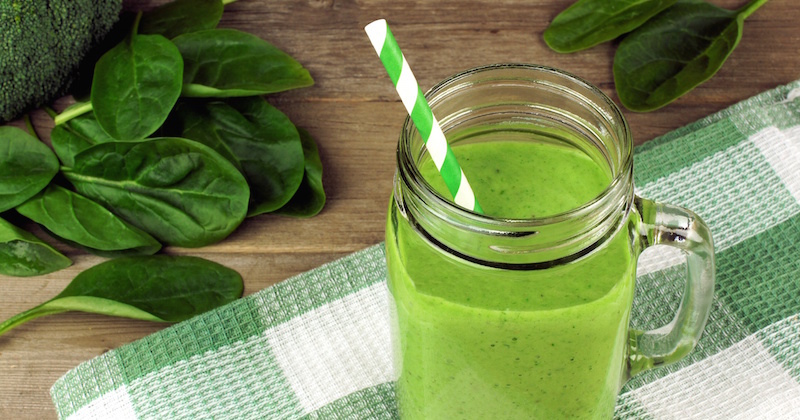
Understanding Anemia
Our human blood comprises of three types of cells—white blood cells, red blood cells and platelets. The function of our red blood cells (hemoglobin) is to carry oxygen from our lungs to all parts of our body.
When the blood contains insufficient hemoglobin, it lacks the capacity to carry the oxygen supply throughout the body.
When this happens, a person is said to be anemic.
The heart will need to pump extra hard to deliver the oxygen where it is needed throughout the body. This causes the anemic person to feel tired both mentally and physically.
Symptoms of Anemia
Symptoms of anemia are not easily detectable in its early stage. Some of its symptoms may be mistaken for symptoms of other diseases.
Do consult your doctor when you frequently encounter two or more of these symptoms: pale skin, shortness of breath, dizzy spells, fainting, rapid heart beat, decreased appetite, decreased sexual function, fatigue, difficulty sleeping, difficulty in performing basic daily activities like reading and writing, due to lack of oxygen in the brain.
Anemia, when left untreated, can become a serious condition resulting in the need for blood transfusion.
Causes of Anemia
Possible causes of anemia include: heavy blood loss (e.g. through menstruation in ladies), excessive destruction of red blood cells (e.g. medication) and poor diet that lacks vital blood-building nutrients. Heavy usage of microwave oven can reduce hemoglobin levels and alter blood serum quality.
If you have been on antibiotics or anti-histamines for a certain length of time, most likely you will have a severely imbalanced gut flora that reduces your body’s ability to produce quality blood. If this is the case, yeast infection and other microbial issues may also be present. Drinking juices may not be sufficient to clean out these infection issues.
Diet Suggestions
Increase intake of foods that are rich in vitamin B12 and iron, like barley grass, rice bran, brewer’s yeast, bee pollen, soy foods, yogurt, alfalfa sprouts, algae (spirulina and chlorella) and liver. You may be prescribed iron pills but try to avoid taking iron in supplement form as they may cause constipation. Excess unabsorbed iron stays in your blood and rust, causing oxidative stress.
Iron needs vitamin C in order to be absorbed. Vitamin C are mostly packaged in fruits and vegetables, making them more usable for your body. Avoid drinking excessive green tea as they inhibit the absorption of iron.
Eat a variety of whole, unprocessed, raw foods that are rich in vitamins, iron and folate. Increase intake of chlorophyll, the ‘blood’ of plants, to effectively build iron-rich blood. To supplement, buy chlorophyll or chlorella powder from your local healthstore and mix in your juices. It may taste “grassy”, some like it, some don’t. Mix in your juice or your other nutritious drinks.
I recommend the following chlorophyll or chlorella. Chlorella and wheatgrass green powder are best as they are wholesome foods that are balanced and helpful for anemia.
<
BUY NOW:
Recommended Healing Foods to Remedy Anemia
These fruits and vegetables are all very high in iron content and are blood-building. Include and rotate any of these in your juice recipe, drink daily:
 Carrot Carrot |
 Green apple |
 Beetroot Beetroot |
 Alfalfa sprouts |
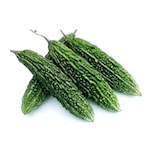 Bittergourd Bittergourd |
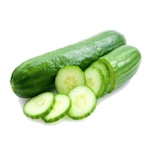 Cucumber |
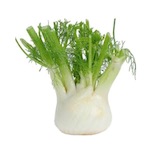 Fennel |
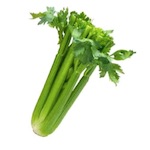 Celery |
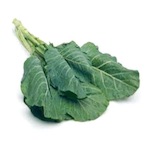 Collard greens |
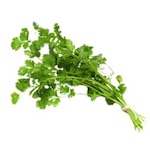 Cilantro |
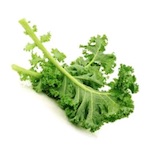 Kale |
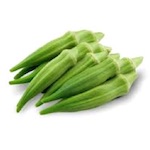 Okra |
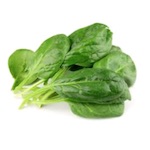 Spinach |
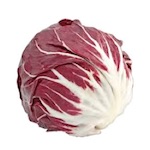 Radicchio |
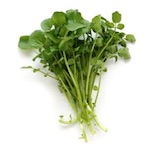 Watercress |
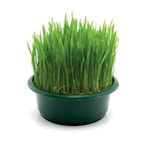 Wheatgrass |
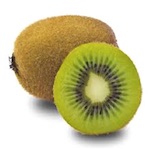 Kiwifruit |
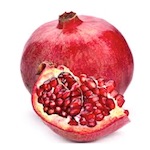 Pomegranate |
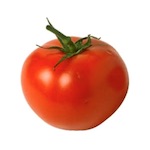 Tomato |
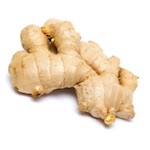 Ginger |
Carrots lend a great taste to any juice. Its molecules are very close to human hemoglobin molecules, making it a great blood builder. Celery juice gives the juice a pleasant savory taste, and helps balance the blood’s pH.
Spinach, kale and watercress provide folate and iron that are important for people suffering from anemia. Add an apple for its iron content and for its sweet taste.
Alfalfa sprouts and wheatgrass are powerful blood healing tonic chlorophyll. They are pleasantly mild and easily mix with the other produce. Add two teaspoons of spirulina or chlorella powder to your juice regularly.
The green juices can be a bit potent and tastes “grassy”. If you are a beginner, use less greens for a start and more of the others, gradually increasing as you go.
Some Suggested Combos (measurement for one portion):
 2 carrots + 2 green apples + 8 ribs of celery + 1 fennel + ¼ lemon with peel
- 2 green apples + 1 bittergourd + 4-6 ribs of celery + 1 sweet pepper (any color) + ½ lemon
- 2 green apples + 6-8 ribs of celery + a bunch of spinach + a bunch of cilantro + a slice of lemon + 1-inch ginger (optional)
- 4 medium-sized beetroot + 1 cucumber + ½ lemon with peel
- 2 green apples + 8-10 leaves of kale + 1 fennel + ½ lemon with peel
- 2 carrots + 2 green apples + 2 kiwifruits + 1 tomato
- 1 oz wheatgrass or alfalfa sprouts juice, neat
Learn how to make great-tasting green juices.
<
Some of the links I post on this site are affiliate links. If you go through them to make a purchase, I will earn a small commission (at no additional cost to you). However, note that I’m recommending these products because of their quality and that I have good experience using them, not because of the commission to be made.

Comments
Leave a Reply


 JOIN OVER
I’m really low anemia n want to see other juicing recipes I’ve been a juicervfor yrs except recently I’ll have to get my hubby to bring mine to me now.