
How Juicing These 20 Foods Can Prevent Or Reverse Type 2 Diabetes
Last updated on
Diabetes type 2 is caused by years of faulty eating. Begin to include plenty fresh plant foods in your dietary and bring it under control, maybe even reverse it.
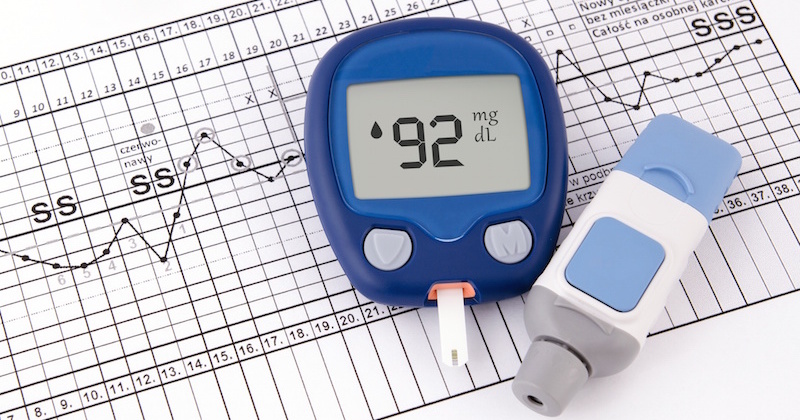
Understanding Diabetes Mellitus
Doctors often use the full term “Diabetes Mellitus” rather than “diabetes” alone, to distinguish this disorder from “Diabetes Insipidus” which is another rare disease that does not affect blood sugar levels.
There are two types of diabetes mellitus:
Type I: Known as juvenile diabetes, occurs when the pancreas fails to produce adequate insulin. Insulin is the hormone used by the body to make blood sugar (glucose) available to cells.
Recent evidence reported by John Hopkins University suggests that consumption of dairy products by sensitive children causes the immune cells to respond with excessive aggressiveness to antigens in cow’s milk. These antigens may attach themselves to cells in the pancreas. Once attached, the antigens are attacked by immune cells that, in the process, destroy both the antigens and the pancreatic cells that produce insulin. Most people who have type I diabetes develop this disorder before age 30.
Type II: The most common form of diabetes, usually occurs in adulthood in people older than forty; but these days, the age number is getting smaller and smaller. For most adult-onset diabetics, the pancreas actually produces more insulin than is necessary, at least in the early stages of the illness.
Dietary fat and cholesterol infiltrate the blood and block insulin from making glucose available to cells. As the disorder continues, the pancreas weakens, and production of insulin diminishes until insulin injections may be prescribed.
Constantly overeating the wrong kinds of foods over the years is the main risk factor for developing type II diabetes. Overeating (or gluttony) causes insulin resistance. These people need very large amounts of insulin to maintain normal blood sugar levels.
Symptoms of Diabetes Mellitus
Type I: In people with type I diabetes, the symptoms often begin abruptly and dramatically. The initial symptoms include excessive thirst and urination, weight loss, nausea, vomiting, fatigue, and particularly in children—abdominal pain. Breathing tends to become deep and rapid as the body attempts to correct the blood’s acidity. Without treatment, this illness can progress to coma and death, sometimes within a few hours.
Type II: People with type II diabetes may not have any symptoms for years or decades before they are diagnosed. Increased urination and thirst are mild initially and gradually worsen. Eventually, the person feels extremely fatigued, may develop blurred vision and become dehydrated.
In some type II diabetics, the blood sugar level in their early stages could be abnormally low that it is diagnosed as hypoglycemia.
Blood sugar levels can get very high when uncontrolled, causing the person to develop severe dehydration, which may lead to mental confusion, drowsiness and seizures.
The two types of diabetes have similar symptoms which include: chronic thirst, excessive urination, excess hunger, muscle wasting, weight loss, fatigue, dry skin, itching, rashes, numbness, tingling of hands and feet, vascular degeneration, atherosclerosis, heart disease, retinopathy, loss of sight, kidney disease and gangrene, due to poor circulation.
Causes of Diabetes Mellitus
One of the main causes of diabetes type II as mentioned above is constantly overeating. Other risk factors that may increase the chances of diabetes:
- Poor diet of high carbohydrates, fats and proteins
- Obesity – due to the extra amount of fat in the body, the insulin may not function properly
- Virus infection, like the Coxsackie B virus that may infect the pancreas, impairing the release of insulin
- Emotional stress – excessive and prolonged grief, anxiety, stress and worry may alter the blood sugar level leading to diabetes
- Smoking – people who chain-smoke are highly susceptible to developing diabetes
Diet/Lifestyle Suggestions
People with diabetes must adjust their food intake, exercise and some use drugs to control blood sugar levels. The goal is to keep their blood sugar levels within the normal range as much as possible to avoid complications.
Diet management is very important in people with either types of diabetes. In general, diabetics should eliminate:
- Refined sugar
- White flour and white rice
- Grains that have gluten
- Commercially raised cow’s milk
- All processed foods
What they should do:
- Eat more foods that help their condition (see below)
- Eat meals on a regular schedule
- Exercise daily
Suggested foods:
- Fresh raw fruits and vegetables
- Chlorophyll-rich foods: wheatgrass, barley grass, spirulina, chlorella
- Healing oil
Below is a documentary where 6 people with diabetes were challenged to change their dietary and lifestyles. The results were amazing, proving that diabetes (especially type 2) can be reversed.<
Recommended Healing Foods For Reversing Diabetes
Some of these foods have insulin-like properties and should be included in a diabetic’s diet regularly, varying them in the diet as much as possible:
 Carrot Carrot |
 Green apple |
 Asparagus Asparagus |
 Avocado Avocado |
 Bittergourd Bittergourd |
 Cucumber |
 Fennel |
 Celery |
 Collard greens |
 Cilantro |
 Kale |
 Okra |
 Spinach |
 Radicchio |
 Watercress |
 Wheatgrass |
 Grapefruit |
 Guava |
 Sweet potato |
 Ginger |
Carrots are good blood regulator and also helps eye problems in diabetics. Juice with a green apple (not red) that helps bring down sugar level. Then add any other green vegetables. Aim to eat more greens as they’re the best for helping in regulating blood sugar level. Bitter melon, cucumber and okra have insulin-like properties that make them suitable foods for this condition too.
Click on each fruit or vegetable to learn in more detail, their health benefits and how they are helpful in bringing down sugar level.
Some Suggested Combos (measurement for one portion):
 3 carrots + 2 green apples + 1 fennel + 8 sticks of asparagus + 1-inch ginger (optional)
- 2 green apples + 1 bittergourd + 4-6 ribs of celery + 1 green pepper + ½ lemon
- 2 green apples + 6-8 ribs of celery + a bunch of spinach + a bunch of cilantro + a slice of lemon + 1-inch ginger (optional)
- 2 green apples + 2 guava or 1 grapefruit
- 2 green apples + 8-10 leaves of kale + 1 cucumber + a slice of lemon (optional)
- 2 green apples + 6 leaves of collard greens + 4 ribs of celery +½ lemon (optional)
- 2 green apples + ½ bunch of watercress + 1 fennel + a slice of lemon
- 1 carrot + ½ fennel + 2 ribs of celery + 1 sweet potato
Learn how to make great-tasting green juices.
Some of the links I post on this site are affiliate links. If you go through them to make a purchase, I will earn a small commission (at no additional cost to you). However, note that I’m recommending these products because of their quality and that I have good experience using them, not because of the commission to be made.

Comments
Leave a Reply


 JOIN OVER
I truly enjoyed this article, thank you a lot for sharing.
Yes,healthy eating is one of the best ways to manage type 2 diabetes. Because this type of diabetes is strongly linked to excess weight, cutting calories and following the right kind of diabetes diet will go a long way toward improving your health.
Really enjoyed this article and found it interesting. I was diagnosed with diabetes in 2013 and went on a “I’m scared to put anything in my mouth” trip, as I’m sure many others alike did the same thing. Then of course tons of research followed. Then of course, slowly but surely I’m back at eating less healthy and not healthy at all, at times. Your article has sparked the “healthy, let’s turn this crap around” flame again, and for this I thank you. Just think, all I Googled was “is it ok for diabetics to have carrot juice?” so I could respond to a comment in a Facebook group wisely. Your article came up, really glad it did.
Hey Linda, hang in there. You have to take one day/one hour at a time. I have found that by setting my phone alarm to go off every 2 hours, I’m reminded to eat. This has helped me eat less. Also, drink a lot of water throughout the day.
Very well written article and very helpful.
The juices in this article definitely work. 6 months ago I was diagnosed as Pre-diabetic. Afterwards, I began juicing the fruits and vegetables captured in this article. Last week I went to have my blood glucose levels rechecked. This morning I received the results from my lab work. I”m glad to report that my blood glucose is now stable/normal. Amazing!
My husband is home from the hospital after his second bout of cellulitis, this one very serious. We had been juicing, primarily green juices, since the first of the year, but dropped out of the habit as life just got in the way. Diabetes is too serious to ignore. We are back juicing, this time for life.
Thanks for the information. I was recently diagnosed with Type 2 Diabetes. I was scared and didn’t know what to eat and how to manage my lifestyle. Now I am my own teacher through your easy accessible information.
Thank you for a very informative article. I found it extremely helpful and will be using your recipes.