
Top 10 Vegetables
Last updated on
For optimum health, eat a rainbow of colors. Your plate should look like a box of crayolas.
These 10 vegetables are some of the healthiest foods (listed in no particular order). Try to eat as many different kinds of vegetables as you can. And each day, try to eat at least one red or orange colored vegetable.
| 1 | 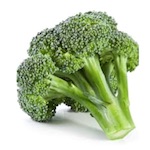 |
Broccoli is among the healthiest among vegetables. It is an excellent source of calcium, potassium, vitamins A and C, anti-oxidant, beta-carotene, and folate. These help reduce the chances for cancer and heart diseases. It also provides insoluble fiber and many other phytonutrients that are anti-cancer agents, stimulate cancer-fighting enzymes and neutralize oxidation. It also has compounds that can reduce tumor formation. |
| 2 | 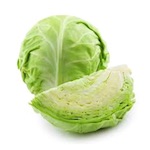 |
Cabbage is a member of the cruciferous vegetable family that is rich in phytochemical. It is impressive with its high content levels of calcium, iron, iodine, potassium, sulfur, and phosphorus. In the vitamins department, it is loaded with vitamins A, B1, B2, B6, C, E, K and folate. This humble vegetable is a rich source of a number of phytonutrients which help boost our defense mechanisms, blocks the reaction of cancer-causing substances, detoxifies and eliminates harmful toxins and hormones, and stimulates production of antibodies to fight cancer. |
| 3 | 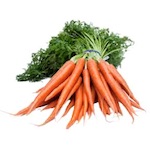 |
Carrot is one of the most healing foods that provides the finest and highest quality in nutrients, especially from its juice. It is an excellent source of pro-vitamin A, vitamins C, D, E, K, B1 and B6. It is rich with biotin, potassium, calcium, magnesium, phosphorus, organic sodium and some trace minerals. The known phytonutrients in carrots are lutein, lycopene, anti-oxidants alpha, beta and gamma carotenes, zeaxanthin and xanthophyll, nature’s marvelous provision for healing of various diseases. |
| 4 | 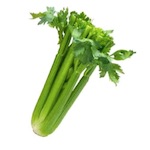 |
Celery leaves have high content of vitamin A, whilst the stems are excellent source of vitamins B1, B2, B6 and C with rich supplies of potassium, folate, calcium, magnesium, iron, phosphorus, sodium and plenty essential amino acids. Nutrients in the fiber are released during juicing, aiding bowel movements. The natural organic sodium (salt) in celery is very safe for consumption, in fact is essential for the body. Even individuals who are salt-sensitive can safely take the sodium in celery, unlike table salt (iodized sodium) which is harmful for those with high blood pressure. |
| 5 | 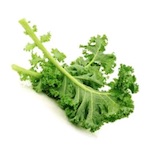 |
Green leafy vegetables such as kale, collards and spinach contain a host of excellent disease-fighting phytonutrients. In addition, they are rich in vitamin C, beta-carotene, fiber and vitamin K that is bone-building and anti-clotting. The chlorophyll in these greens help block the damages that convert healthy cells to pre-cancerous cells. They contain some phytochemicals that protect against cancers and prevent harmful carcinogens from initiating cancer. |
| 6 | 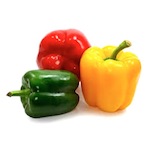 |
Capsicums or bell peppers are colorful. Their rich pigmentation are full of anti-oxidants and carotenoids that help lower the risks of age-related blindness due to macular degeneration. Hot peppers contain concentrated amounts of capsaicin, which is useful in treating pain and inflammation. It also inhibits oxidation of cholesterol. Chlorophyll in capsicums protect against environmental free radicals. |
| 7 | 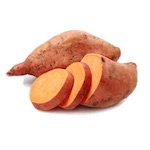 |
Sweet potato is a rich food that is high in beta-carotene and helps prevent cancers of the stomach, pancreas, mouth and gums. It contains potassium that help lower blood pressure, vitamin B6 which help prevent heart disease, vitamin C and insoluble fiber which prevents constipation and diverticulosis. This root vegetable also has caffeic acid, which may fight cancer and the AIDs virus. |
| 8 | 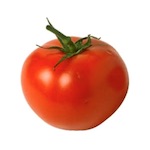 |
Tomatoes have very low calories and are dense with anti-cancer compounds that help neutralize the free radicals in our body. Ripe red tomatoes contain lycopene that has been shown to be extremely protective against cancers of the breast, colon, lung, skin and prostate. Its cooked products like sauce, paste and puree contain up to five times as much of the precious lycopene. |
| 9 | 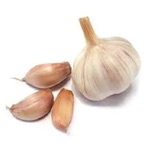 |
Garlic has an admirable source of vitamins A, B-complex and C. It provides a good supply of minerals like manganese, phosphorus, calcium, copper, potassium, iron and copper. It also contains amino acids, essential oils, glycosides, and the rare essential trace minerals like germanium, selenium and tellurium. Garlic amazingly contains more than 12 types of anti-oxidants. Is it any wonder that it has numerous healing virtues? This is one of the few superfoods that doesn’t lose its medicinal properties with cooking. |
| 10 | 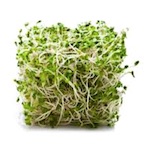 |
Alfalfa sprouts is the top source of anti-oxidant among all vegetables. It can prevent untold number of degenerative diseases, like heart disease, menopausal symptoms, osteoporosis and even cancer. Alfalfa sprouts contain a myriad of valuable nutrients such as calcium, folate, magnesium, manganese, molybdenum, phosphorus, potassium, silicon, sodium, zinc. This is the only plant that supplies the full range of vitamins, from vitamin A, B complex (even B12), C, E to K, and nutritious blood-healing chlorophyll. |
<
Some of the links I post on this site are affiliate links. If you go through them to make a purchase, I will earn a small commission (at no additional cost to you). However, note that I’m recommending these products because of their quality and that I have good experience using them, not because of the commission to be made.

Comments
Leave a Reply


 JOIN OVER
Your website is full of information, I enjoy reading it and use it as a reference on juicing daily.
One question, is it advisable to use organic veg n fruits in juicing?