
Health Benefits of Tomato
Last updated on
Everybody is familiar with a tomato. But perhaps not everybody knows that tomato is a fruit. A tomato doesn’t have the sweet quality of a fruit so is most often used as a vegetable. For this reason, I’ve categorized tomato under the vegetable group.
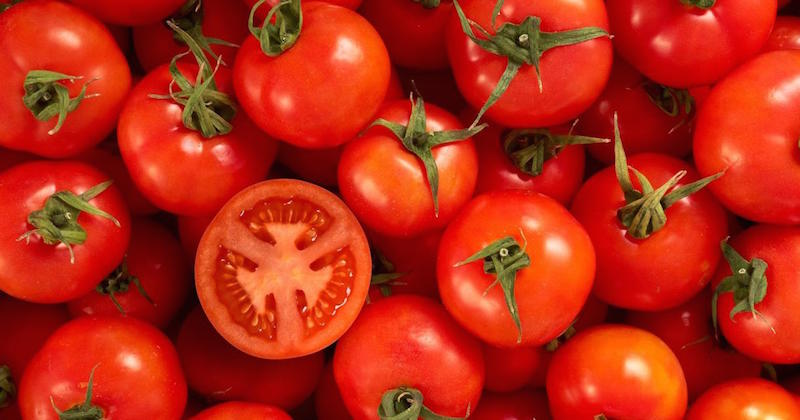
Tomato belongs to the family of Solanaceae (nightshade family), the same botanical family to which potato, pepper and eggplant also belong.
Depending on the variety, tomatoes vary in size, shape, color (red, yellow, orange, green, black, white) and taste. The most common varieties of tomatoes have a thin, red skin covering a red, juicy flesh which is divided into a varied number of cavities filled with moisture and small yellow seeds surrounded by a gelatinous substance. Avoid seedless tomatoes as those are hybrid tomatoes and are not as nutrient-densed as a God-made one.
Nutritional Benefits Of Tomato
Tomatoes are rich in moisture, vitamins and minerals, and phytonutrients. They are an excellent source of vitamins C, B6 and K, betacarotene, biotin, niacin, potassium, phosphorous, calcium, iron, zinc and selenium, as well as of many organic acids such as citric and malic acids which are responsible for the characteristic tomato flavor.
Tomato seeds and skin are good sources of fiber, while the red flesh contains a powerful antioxidant—the carotenoid pigment lycopene, which provides the fruit’s red color.
Health Benefits Of Tomato
Due to its high content in antioxidants, organic acids and other essential nutrients, tomato is a true elixir of health. Some of its health properties have been known from centuries, some have been discovered only recently and it is not unlikely that other new interesting health benefits will be revealed in the future.
Anemia: The combined action of iron and vitamin C found in tomatoes promotes the synthesis of hemoglobin and the formation of new red cells, thereby helping to prevent or treat different types of anemia.
Anti-cancer: Several research studies have shown that lycopene, a carotenoid pigment found in the skin and flesh of tomatoes, may play a role in the prevention of some types of cancer, including lung, prostate and colon cancer. Lycopene derives its health benefits primarily from its antioxidant activity which is even higher than that of betacarotene. Thus, it is an extremely powerful antioxidant activity that lycopene acts as an anti-cancer agent.
Antioxidant: Several antioxidant substances are contained in tomato juice, including lycopene, betacarotene, vitamin C and selenium, which can be helpful in preventing the damage caused by free radicals to body tissues leading to premature aging and many chronic degenerative diseases.
Body detox: Not only does tomato juice has antioxidant and diuretic properties and improves the digestive function, it also stimulates the detoxifying function of the liver and kidneys. The overall result of these effects is a more efficient removal of toxins from the body with consequent improved health and well-being.
Bone and teeth health: Tomato juice is an excellent source of vitamin C, calcium and phosphorous, all nicely packaged for maintaining the structural integrity of bones and teeth.
Digestive function: The organic acids in tomato fruit and juice enhance the digestive function by stimulating salivary and gastric secretions, thereby promoting the digestion of foods rich in starch (such as bread, pasta, rice and potatoes), as well as in protein (such as meat, fish, eggs and milk products).
Heart health: Tomato improves heart health by helping lower blood pressure due to its high content in potassium. It also prevents the oxidation of cholesterol, which is one of the first steps in the formation of atherosclerotic plaques.
Skin health: Lycopene in tomatoes is said to improve the skin’s ability to protect against harmful UV rays. Tomato is a skin food suitable for healing from internal or externally. Its rich vitamin A and C makes it helpful for anti-aging skin, skin imperfections and brightens up a dull complexion. Make a paste of tomato and an avocado, apply on face and rinse after 30 minutes.
Stress, tiredness and fatigue: The high content of potassium and phosphorous in this red juice helps relieve the symptoms of stress, tiredness, fatigue, muscle weakness, as well as prevent muscle spasms and cramps.
Consumption Tips
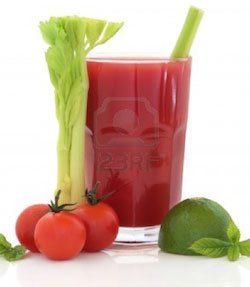 The uses of tomato are endless. A ripe tomato can be eaten as-is, used to prepare salads or cooked in a variety of ways. But the best way to eat a tomato is by consuming the paste or juice as the processing helps to “release” the lycopene from the tomato’s cells.
Eating tomatoes with olive oil improve lycopene absorption much better. Avoid canned tomatoes as its acid content may cause corrosion on the cans which gets in contact with the tomatoes, causing lead poisoning.
Likewise, do not cook tomatoes in aluminum cookware as the acid content in tomatoes will interact with the metal, causing aluminum poisoning.
As with most other fruits, store tomatoes in the fridge if you want to slow down its ripening process, or at room temperature to hasten the ripening process.
Related reading: How to grow your own tomatoes.
Cautionary Note
Tomato is a highly nutritious fruit, but may trigger allergic reactions, especially in young children. Tomato is one of the fruits that contains moderate amount of oxalate and may not be consumed by persons with a history of calcium oxalate kidney stones.
Just as other members of the nightshade family, unripe tomatoes contain a toxic agent called solanine. Solanine is tomatoes’ natural defense and is found in the green portions of tomatoes. It may cause gastrointestinal disorders (nausea, vomiting, diarrhea, stomach cramps), as well as neurological symptoms (headache, dizziness). That’s why tomatoes should always be consumed when fully ripe and devoid of solanine.
Some of the links I post on this site are affiliate links. If you go through them to make a purchase, I will earn a small commission (at no additional cost to you). However, note that I’m recommending these products because of their quality and that I have good experience using them, not because of the commission to be made.

Comments
Leave a Reply


 JOIN OVER
i enjoyed reading about juicing for health why? he learn a lots about fruits& vegetables benefits. thank you