
Urinary Tract Infection—Power Foods You Can Eat To Get Rid And Prevent Recurrence
Last updated on
Only you yourself know when you have the symptoms of urinary tract infection. You can shorten the suffering if you know what to do. Find out here.
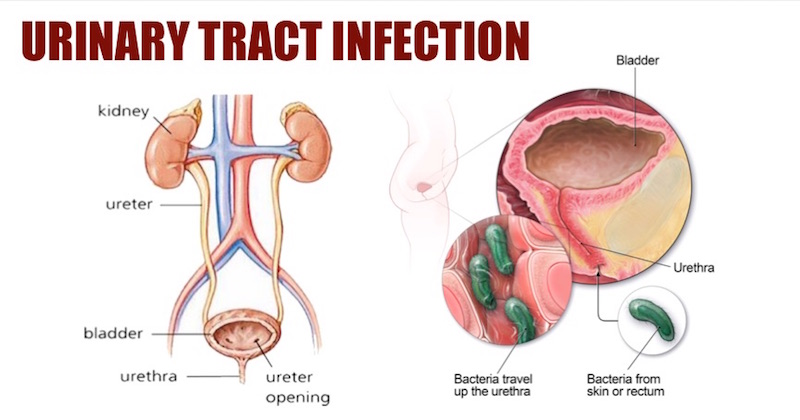
Understanding Urinary Tract Infection (UTI)
Urinary Tract Infection (UTI) occurs when bacteria or other infectious organisms invade any part of the urinary tract. Infections of the lower tract are of the urethra (urethritis) or the bladder (cystitis). Infections of the upper tract are of the kidney (pyelonephritis) or the ureters (ureteritis).
Although UTIs occur in both men and women, women tend to suffer more from it because of the anatomical difference.

Women’s urethra tube is shorter than men’s, and the opening is just a short distance away from the vaginal tract and the rectal openings. Because of this, there is a higher risk of bacteria from these adjacent areas to scuttle up the tube into the bladder.
Among infants, UTI occurs more often with boys, but among toddlers, girls are more prone. Uncircumcised baby boys tend to accumulate bacteria under the foreskin. Young children with severe constipation problems are also more prone to UTIs.
Symptoms of Urinary Tract Infection (UTI)
Individuals who suffer from UTI often have an urgent need to urinate, and experience a painful burning sensation while urinating. The urgent need to urinate may cause uncontrollable loss of urine (incontinence), especially in older people. Urinary frequency (in small amounts) also increases during the night.
Fever is absent during UTI, but some may feel pain in the lower abdomen (above the pubic bone) and often in the lower back as well. The urine is often cloudy, with strong odor, and may contain visible blood in some.
Causes of Urinary Tract Infection (UTI)
A healthy person with good immune defense system is able to fend off bladder and kidney infections. However, when there is stress, illness, physical injury or nutritional deficiency, frequent use of antibiotics, immune defenses weaken, allowing the bacteria to take over. Pregnancy, menopause and sexual intercourse also increase the risks of UTI.
Urinary tract infections are almost always caused by the Escherichia coli (E.coli) bacterium, although some viruses, fungi and parasites may also infect the urinary tract. A majority of infections are caused by bacteria entering from the intestine or vagina. Bacteria that enter through the urinary tract are often flushed out when the bladder is being emptied.
Viruses: The herpes simplex virus type 2 (HSV-2) may infect the urethra, making urination painful and emptying of bladder difficult.
Fungi: A common type of fungi that causes UTI is Candida (causing candidiasis). This usually happens to individuals whose immune system is impaired.
Parasites: Trichomoniasis, caused by a type of microscopic parasite, is a sexually transmitted disease that produces greenish yellow and frothy discharge from the vagina in women. There is usually no symptoms in men, although it can cause inflammation of the prostate gland.
Malaria is a disease caused by another type of microscopic parasite carried by mosquitoes. It destroys the small blood vessels of the kidney and can rapidly damage red blood cells, causing acute kidney failure.
Worm: Schistosomiasis is another kind of worm that can affect the kidneys, ureters and bladder. Persistent infection of this kind may eventually result in bladder cancer.
Diet/Lifestyle Suggestions
The most important dietary recommendation that I can offer anyone who suffers from UTI is to increase the consumption of liquids. Drink plenty of liquids in the form of pure water, herbal teas, fresh fruit and vegetable juices diluted with water. These liquids help frequent flushing out of the bladder.
Here are some simple steps you could take to shorten UTI:
- Avoid foods and drinks rich in sugar. Curtail your intake of table sugar, soft drinks, concentrated sweet fruit drinks, coffee and alcoholic beverages. Bacteria thrive in a sugary environment as it impairs the ability of white blood cells to destroy bacteria.
- Other foods to avoid are processed foods, spicy foods, fats, dairy products, red meats and shellfish. These foods are acid-forming (not to be mistaken with acid tasting food like the citrus fruits). Acidity formed from these foods increase the bacterial infection.
- Take a high quality probiotics that will help combat the infection more effectively. Or, eat fermented foods containing active lactobacillus acidophilus (probiotics) and all the beneficial bacteria that helps fight the harmful microbes. Some suggestions of fermented foods are: kombucha, yogurt, kefir, sauerkraut, sourdough breads, soy miso, tempeh and apple cider vinegar.
- Drink juices high in vitamin C (citrus fruits, especially grapefruit) as they help to provide an environment in your urine that is hostile to most bacteria.
- Eat foods high in vitamin A to rebuild your immune system.
- Foods high in zinc may also help by producing white blood cells and eliminating bacteria. Some of the best sources of zinc are oysters, brewer’s yeast, ginger, beef liver, flaxseeds, sunflower seeds, brazil nuts, egg yolks, peanuts, oats, almonds and tofu.
- Drink cranberry juice. It contains a simple sugar that occurs naturally called D-mannose. In the bladder, D-mannose can adhere to undesirable foreign substances, preventing them from sticking to the lining of the bladder. Because insubstantial amounts of D-mannose are used by the body, it does not interfere with blood sugar regulation.
Recommended Healing Foods To Remedy Urinary Tract Infection
If you are prone to have UTI, then drinking these juices regularly will help reduce recurrence. It is most effective when the problem is not yet too serious/severe. For any health issues, always nip them in the bud.
Drink a glass of fresh cranberry or blueberry juice first thing in the morning and wait at least half an hour before you have something to eat. This drink is helpful for prevention of UTI. Besides all the healthful properties of these juices, they may also help in restraining the E.coli that cause UTI by stripping the bacteria off the bladder walls.
Most of the healing foods mentioned below are diuretic. Juice any combo and keep drinking. They are helpful to keep flushing out the toxins and bacteria from the bladder and clean up the infection.
Watermelon and watermelon rind juice are an excellent inclusion in your routine if you often get a UTI.
Adding lemongrass-ginger tea has helped reduce recovery time for some of my clients.
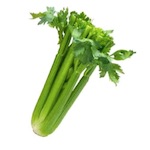 Celery |
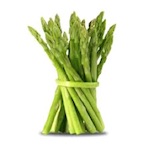 Asparagus |
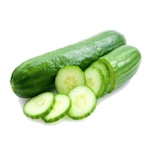 Cucumber |
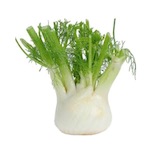 Fennel |
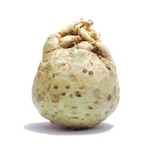 Celeriac |
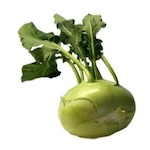 Kohlrabi |
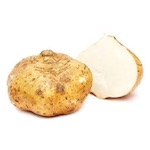 Jicama |
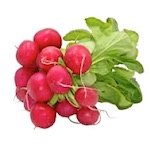 Radish Radish |
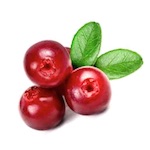 Cranberries |
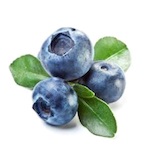 Blueberries |
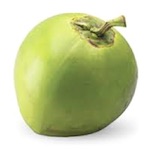 Coconut |
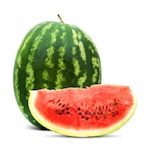 Watermelon |
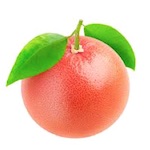 Grapefruit |
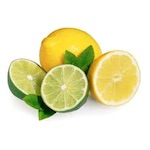 Lemon & Lime |
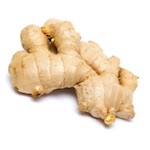 Ginger root |
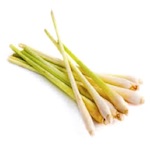 Lemongrass |
The nutrient-rich healing foods above are excellent for UTI sufferers. Juice any combo made up of these fruits and/or vegetables and just keep drinking. The acidic taste (alkaline-forming) from the citrus fruits helps inhibit the growth of bacteria.
Some Suggested Combos (measurement for one portion):
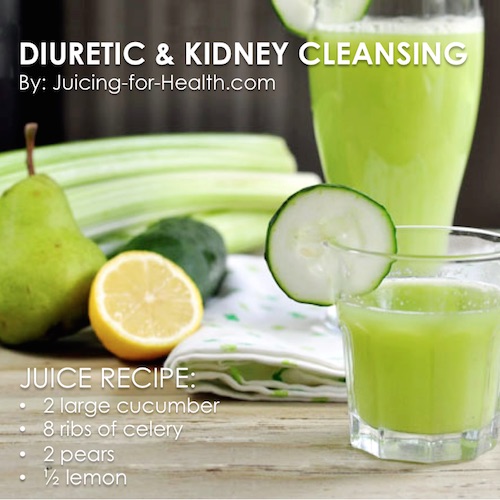
- 6 ribs of celery + 1 cucumber + 1 fennel + ¼ lemon
- 1 cucumber + ½ celeriac + 1 jicama + 3-4 radish (pungent) + a thumb-sized ginger root
- 1 grapefruit + 2 cups of cranberries + 2 cups of blueberries
- Big glasses of watermelon juice + a squeeze of lemon juice
- Drink fresh coconut water (not packaged/bottled)
- Lemongrass-ginger tea
Learn how to make tasty green juices
Some of the links I post on this site are affiliate links. If you go through them to make a purchase, I will earn a small commission (at no additional cost to you). However, note that I’m recommending these products because of their quality and that I have good experience using them, not because of the commission to be made.

Comments
Leave a Reply


 JOIN OVER
Thank you for this information. I’m looking forward to trying your juicing recipes and eating these foods as I’m really tired of getting urinary tract infections
I have been told that if you feel like going to the restroom … do not wait. Try to be aware of this and go to the restroom right away. This includes during the night.
Good information…thank you.
What foods, juices are beneficial for interstitial cystitis? I was told to stay away from cranberry, orange and acid foods like tomato etc.
I drink a teaspoon of pure lemon juice i a cup of warm water every morning since I had a UTI. It is the best. Cranberry juice did nothing for me.