
Alzheimer's Disease May Be Prevented When You Know What Foods to Eat
Last updated on
Frequent forgetfulness is one of the early signs of a more serious problem. Alzheimer’s Disease can be improved or prevented with proper nutrition.
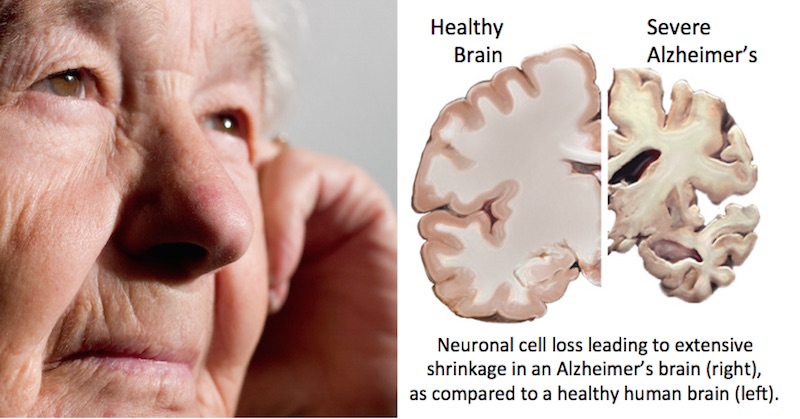
Understanding Alzheimer’s Disease
Alzheimer’s Disease (AD) is a degenerative and progressive deterioration of the memory and mental functions, a state of mind commonly referred to as dementia.
With this condition, there is a reduced level of acetylcholine, a key neurotransmitter that transmit signals in the brain. The formation of neuro-fibrillary tangle and plaques are “scars” composed of deposits of various proteins and cellular debris. This results in massive loss of brain cells, reducing brain density, leading to deterioration of mental functions.
Alzheimer’s Disease is rare among young people but is no longer impossible due to our very toxic environment. The youngest person recorded for having AD is 30 years old. Memory decline are consequences of inflammation and toxicity in the body and more recent studies show that a compromised gut health is linked to brain fog and memory loss. The good news then, is Alzheimer’s Disease is preventable and possibly reversible in the early stages.
Symptoms of Alzheimer’s Disease
Signs of Alzheimer’s Disease usually begins subtly. Early signs are poor performance at the workplace, with poor concentration.
 Sufferers may begin to forget recent events, or experience anxiety, depression, fears, and other personality changes.
In the early stages, judgment and abstract thinking may be impaired. Speech patterns may change, causing the person to use wrong words, and difficulty in finding appropriate words when speaking.
An inability to interpret visual cues may also make driving a difficult task. During this stage, immediate change in lifestyle and nutrition may be able to reverse the condition.
At advanced stages, sufferers may begin to behave unusually, and their emotions may change unpredictably and rapidly. They start forgetting people’s names and get lost on their way to the store.
Eventually, they would require help with simple daily tasks, like eating, dressing, bathing and going to the toilet. They begin to wander, get easily agitated, irritated, hostile and become aggressive. They even begin to lose all sense of time and place.
Hallucinations, delusions and paranoia develop at some point in about half of patients with Alzheimer’s Disease.
If you have loved ones suffering from Alzheimer’s Disease, you would not want to go through what they are going through. It is a crippling disease that eats away at the person’s mind. You can prevent it happening to you.
Causes of Alzheimer’s Disease
One of the causes of Alzheimer’s Disease is in the genetic factors. The disease seems to be caused or influenced by several specific gene abnormalities. If you are in this group, there may be hope yet. Prevent or delay it.
Recent studies have shown that our gut is our “second brain”, which is also our where a majority of our immune system is. An impaired or weak gut health will inevitably affect our brain health. By bringing healing to the gut, brain health may be reversed with good results.
Other causes of AD could be traumatic injury to the head, constant exposure to aluminum, mercury, copper, silicon and other toxins. Prolonged medications are one of the main contributor to Alzheimer’s Disease. Consistently eating a processed foods diet that is high in salt and sugar, foods high in fats and low in fiber, also play a big role in brain cells degeneration by inflammation and oxidation.
Diet/Lifestyle Suggestions
Treatment to restore the mental function once it has advanced is difficult. That is why it is so important to guard our mental health with whatever we’ve got to prevent this dreaded disease.
If you already have some of the early symptoms above, it is time to check your food intake and lifestyle.
- Reduce your intake of stimulants such as coffee, tea, chocolate, alcohol, tobacco and cola (read about soft drinks). The combination of caffeine and alcohol slows your reaction time.
- Cut down on sugar and refined carbohydrates in processed foods. These foods have been implicated in aggressive behavior, anxiety, attention deficit, depression, eating disorders, fatigue and learning difficulties.
- Minimize your exposure to chemical and air pollution and cigarette smokes. Other heavy metals such as lead, cadmium and aluminum accumulate in the brain and can reduce intelligence, concentration, memory and impulse control.
- Regular exercise is essential to maintain good blood flow to the brain as well as to encourage development of new brain cells.
- Engage in mentally stimulating activities to strengthen brain cells and the neuro-transmitters. It can even create new brain nerve cells.
- Reduce your stress level by being involved in a hobby or stay socially involved. Stress produces a certain chemical in your body that are harmful to the brain cells.
- Maintain a diet that is high in antioxidants and rich in anti-inflammatory properties, such as a variety of green leafy vegetables, deep-colored vegetables are rich in carotenes. All these help detoxify the body of toxins and help nourish the body, keeping your body in optimum health.
- One of the most often overlooked aspect of brain health is Omega-3. Best source is from high quality cold-pressed fresh flaxseed oil. Take 2-3 tablespoon daily till you see an improvement which would be about 1-2 months.
- Now, new studies have shown that coconut oil is very effective for reversing Alzheimer’s Disease. Watch the video below.
Recommended Healing Foods to Prevent Alzheimer’s Disease
The combination of fresh carrot and spinach/kale juice, is an excellent help in cleansing the blood of impurities, with their superb anti-oxidant properties. Include more green juices in your daily diet for their cleansing and blood purifying virtues. Green juices are also beneficial for healing of the gut that helps clear up brain fog. Once or twice a week, include beetroot that helps to detoxify the liver.
The berries sisters are a rich source of vitamin C. They make powerful antioxidants especially for those who are constantly exposed to chemical and air pollutions. They are also effective in building up the body’s immune system that maintain general mental health.
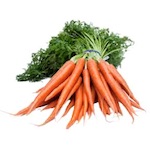 Carrot |
 Green apple |
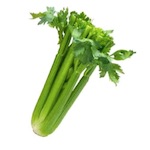 Celery |
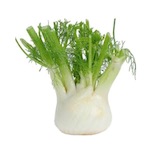 Fennel |
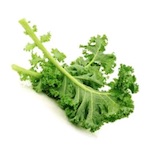 Kale |
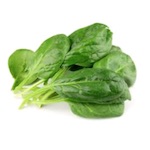 Spinach |
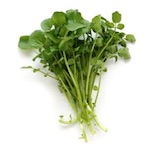 Watercress |
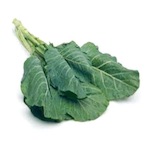 Collard greens |
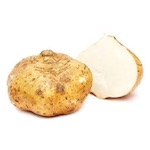 Jicama |
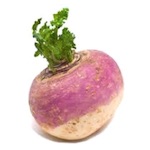 Rutabaga |
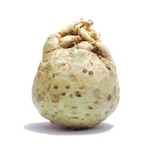 Celeriac |
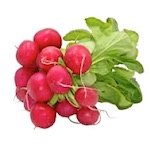 Radish |
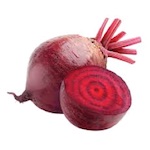 Beetroot |
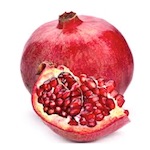 Pomegranate |
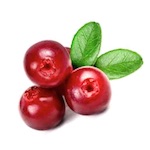 Cranberries |
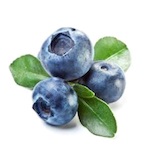 Blueberries |
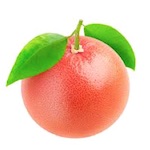 Grapefruit |
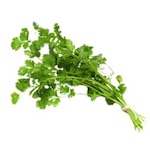 Cilantro |
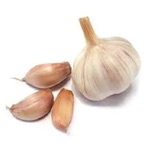 Garlic |
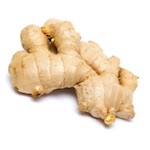 Ginger root |
The root vegetables—carrot, rutabaga, celeriac, beetroot, ginger root—are some of the best foods for healing of the gut. They are rich in antibacterial and antibiotic properties that are helpful in eliminating the harmful pathogens and rebuilding the beneficial microbes in the gut.
Do include “brain foods” like walnut, avocado, banana, celery, red plums, tomatoes and pineapples in your daily diet. These foods have good amounts of serotonin and the right nutrients that convert to neurotransmitters. Neurotransmitters are the chemicals that help to transmit messages among brain cells.
When making your daily juices, include a bunch of cilantro and 2-3 cloves of garlic into your juicer (best yield if you used a masticating juicer). These food items are very good heavy metal detoxifiers, especially to remove mercury and aluminium that are causing brain degeneration. However, drink small amounts to start as they are very potent and may cause some reactions if you’re unaccustomed to drinking green juices.
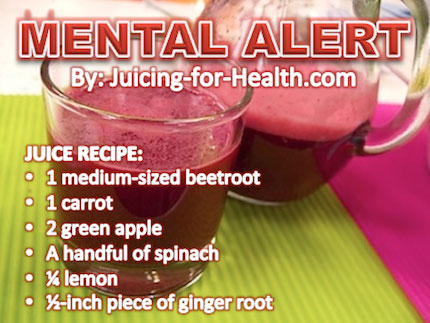
Some Suggested Combos (measurement for one portion):
-
- 3 carrots + 2 green apples + a bunch of spinach + a bunch of cilantro + ¼ lemon
- 2 green apples +1 fennel + 8-10 leaves of kale + ¼ lemon
- 1 cucumber + 3 medium-sized beetroot + ½ lemon
- 1 grapefruit + 3 oranges + ¼ lemon
- 1 cup of blueberries + 1 cup of cranberries + 1 cup of strawberries + 1 cup of pomegranate (awesome!)
- 2 green apples + 3-4 leaves kale + ½ cucumber + 2-3 bunches of cilantro + 1 clove garlic
- Root power: 2 carrots + 1 medium-sized jicama + 1 medium-sized rutabaga + 1 medium-sized beetroot
Learn how to make great-tasting green juices.
Some of the links I post on this site are affiliate links. If you go through them to make a purchase, I will earn a small commission (at no additional cost to you). However, note that I’m recommending these products because of their quality and that I have good experience using them, not because of the commission to be made.

Comments
Leave a Reply


 JOIN OVER
Very informative, thank you.