
Sweet Potato Has 1000x More Vitamin A Than White Potato And Is A Natural Painkiller!
Last updated on
Despite its name, the sweet potato really doesn’t belong to the same family as the potato, not even close. Potatoes are tubers, sweet potatoes are roots.
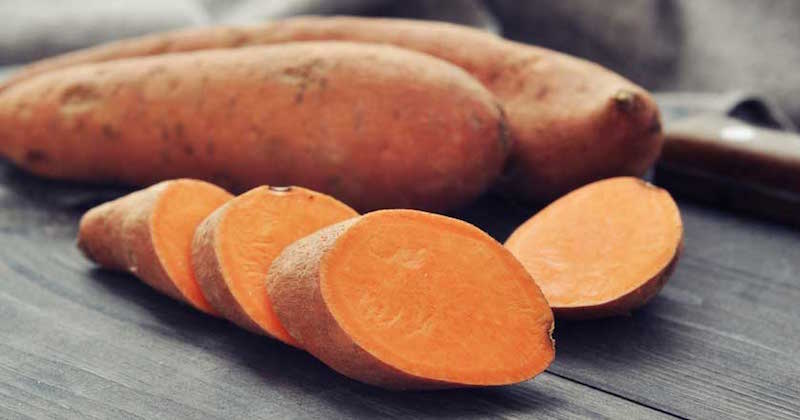
In some countries, the darker colored sweet potatoes have been mistakenly called yams. (Yams are often whitish to purplish color, depending on the variety. They have a distinct earthy taste, hardy texture and are hardly sweet.)
There are many varieties of sweet potatoes with flesh ranging from white, yellow, orange and purple. Even the shapes and sizes range from being short and blocky to long and thin.
Nutritional Benefits Of Sweet Potatoes
Sweet potatoes, especially the deeper-colored ones, are extremely rich in carotenes (precursor of vitamin A). It is said that the vitamin A in sweet potato is 1000x more than a white potato, making it one of the best foods for your eyesight. Natural vitamin A is not toxic, as opposed to a vitamin A supplement that can become toxic in high dosage.
Sweet potato is also an excellent source of vitamins C, B2, B6, E and biotin (B7).
In the minerals department, they provide good amounts of manganese, folate, copper and iron. It also has pantothenic acid and is rich in dietary fiber.
Health Benefits Of Sweet Potatoes
Sweet potatoes are excellent sources of plant proteins with very low calories. Unlike other starchy root vegetables, it is very low in sugar, and in fact is a good blood sugar regulator. It has twice the fiber, twice the calcium and over 1000x more vitamin A (beta-carotene) than white potato. It is an excellent anti-inflammatory food. More health benefits of sweet potatoes …
Antioxidants: Sweet potatoes have been found to contain a high amount of antioxidants, making it suitable in combating inflammatory problems like asthma, arthritis, gout, etc.
Anti-inflammatory: The high beta carotene content in sweet potato is the key anti-inflammatory compound that makes it a natural painkiller. You can eat it steamed, or juiced to benefit from its painkilling properties.
Diabetes: This fibrous root is suitable for diabetics’ consumption as it is a very good blood sugar regulator, helps to stabilize and lower insulin resistance.
Digestive tract, healthy: The significant amount of dietary fiber, especially when eaten with the skin, helps to promote a healthy digestive tract, relieving constipation and also helps prevent colon cancer.
Emphysema: Smokers and people who inhale second-hand smoke should regularly consume foods high in vitamin A as smoke has been found to induce vitamin A deficiency, causing a host of other health problems to the lungs.
Fetal development: The high folate content is important and necessary for healthy fetal cell and tissue development.
Immune system: Regular consumption of sweet potatoes strengthens the body’s immune system and develop resistance to infection.
Heart diseases: Consumption of this high potassium root helps to prevent heart attack and stroke. It helps maintain fluid and electrolyte balance in the body cells, as well as normal heart function and blood pressure.
Muscle cramps: A deficiency in potassium can cause muscular cramps and greater susceptibility to injury. Make sweet potatoes a regular part of your diet if you exercise a lot, both for an energy boost and to prevent cramps and injuries.
Stress: When we are stressed, our metabolic rate rises, causing the body potassium levels to be reduced. By snacking on the potassium-packed sweet potato, it helps to rebalance the vital mineral, and helps normalize the heartbeat. This in turn sends oxygen to the brain and regulates the body’s water balance.
Consumption Tips
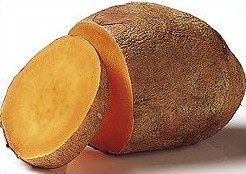 When buying sweet potatoes, go for the darker variety if available. The darker it is the higher the carotene content.
Choose sweet potatoes that are firm and not wrinkled. Avoid those that has a green discoloration that indicates the presence of a toxic substance called solanine.
Store sweet potatoes in the open, in a cool, dark and well-ventilated place, not wrapped up in plastic bags, and not in the refrigerator. They can keep up to ten days.
You can prepare sweet potatoes in ways similar to preparing potatoes. The skin contains the most nutrition so try not to peel off the skin. Give it a good scrub with a vegetable brush. Try steaming it, cool it, and run it through your food processor to make a nutritious smoothie, mixing with yogurt, honey and flaxseed oil.
Surprisingly, cooking sweet potatoes by steaming, baking and boiling makes the nutrients more available to the body.
Make a glass of delicious sweet potato juice.
Some of the links I post on this site are affiliate links. If you go through them to make a purchase, I will earn a small commission (at no additional cost to you). However, note that I’m recommending these products because of their quality and that I have good experience using them, not because of the commission to be made.

Comments
Leave a Reply


 JOIN OVER
I love them!