
Important Reasons You Should Include Spinach In Your Diet
Last updated on
Spinach belongs to the same family as beets and chard. There are many types of spinach. I find that with different culture (in my multi-racial country), each has their own “version” of spinach, even a variety among that!
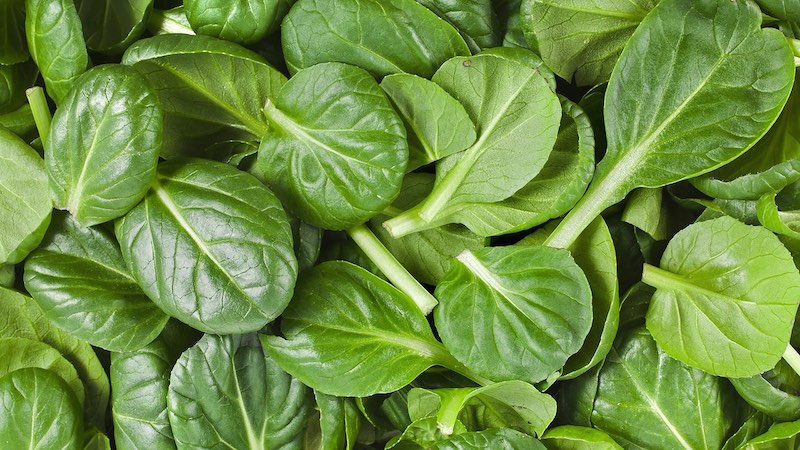
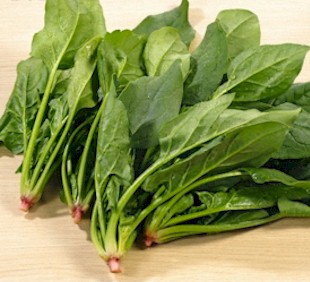
But basically, spinach as I know it, has broad, longish, smooth leaves that is jade green in color. It has the slight bitter taste of its sister, beet greens and the slightly salty flavor of chard.
Spinach has always been known for its fine cleansing, building and nourishing properties for the digestive tract, intestines and colon. When properly prepared, spinach is highly beneficial in correcting many common ailments.
There are warnings of spinach having high levels of oxalic acid, and that its consumption should be limited. The presence of oxalic acid in food is said to bind with calcium to form kidney stones for those not practicing a healthy lifestyle of drinking sufficient water daily. Individuals with a history of kidney stones are advised to limit the consumption of spinach.
Nutritional Benefits Of Spinach
Spinach is one of the most nutrient-packed vegetables and its raw juice is an excellent source of chlorophyll. It is also a superb source of vitamins A, B complex, C, E, K, carotenes, folate, manganese, calcium, iron, iodine, magnesium, phosphorus, potassium, sodium, some trace elements and many valuable amino acids.
The minerals in spinach is highly alkaline, making it helpful in regulating the body pH. It supplies the same amount of protein as you would get from the same quantity of meat—a cheaper and healthier alternative to getting protein.
Health Benefits Of Spinach
The best way to enjoy all the health benefits of spinach is in the form of its fresh juice. Start adding spinach juice in your juicing diet to enjoy its numerous miracles:
Acidosis: Its alkaline minerals are essential for cleaning out the tissues and maintaining the alkalinity of the blood, making it effective in combating acidosis.
Anemia: The high grade content of iron in spinach makes it a great blood builder. It regenerates and reactivates the red blood cells and supplies fresh oxygen to the body.
Anti-inflammatory: The high alkalinity properties in spinach makes it the perfect choice of food for people suffering inflammatory ailments, like osteoarthritis and rheumatoid arthritis.
Atherosclerosis: The folate and the anti-oxidants in spinach helps lower the homocysteine level, reducing the risks of atherosclerosis.
Bleeding gums: Spinach juice when combined with carrot juice, effectively restore this disorder caused by deficiency of vitamin C and too much consumption of refined sugar.
 Cancer: The fine chlorophyll and carotene (lutein) found in spinach is beneficial in fighting and preventing cancer. A variety of flavonoid compounds found in this vegetable are powerful anti-oxidants and anti-cancer agents. Studies have shown that properties in spinach slows down cancerous cell division, especially in cancers of the breast, cervical, prostate, stomach, and skin.
Digestive tracts: The high fiber content in spinach makes it a remarkable intestinal tract scrubber. It cleans out the system by removing the accumulated wastes in the digestive tracts by its mildly laxative effect. More importantly, it also repairs, heals and nourishes the tracts and tones up their functions. An excellent help for constipation, colitis, poor digestion or stomach ulcers.
Eye problem: The abundance content of vitamin A and carotenoids help prevent age-related eye problems. When combined with endive and carrot juice, it effectively helps prevent macular degeneration, night blindness, and the development of cataracts.
High blood pressure: A recent study also shows that certain protein compounds in spinach are beneficial in lowering high blood pressure.
Magnesium content: Thanks to the high content of magnesium in spinach, it works as a co-factor for many other nutrients and enzymes in the body. Magnesium can ease ailments caused by its deficiency such as insomnia, mood disturbances, headaches, high blood pressure and muscle cramps.
Osteoporosis: The high content of vitamin K is essential in anchoring calcium in bones, making it important to bone health.
Pregnancy and lactation: Being a rich supplier of folate and iron, spinach juice provides the required nutrients that are necessary for the development of the foetus, preventing threatened abortion and accidental hemorrhage. Consumption of spinach juice also improves the quality and quantity of the lactating mother.
Need we say more why you should add spinach to your juicing diet?
Consumption Tips
Whenever possible, try to eat organic. But if this is not possible, clean spinach thoroughly as it is a vegetable that tends to collect sand, soil and pesticides.
Use raw spinach in place of, or in addition to lettuce in your salad. Or add it as a garnish for sandwiches. Find creative ways to eat fresh spinach when you are not juicing.
Cautionary Note
Spinach is one of the foods that is most commonly associated with allergies. Probably because of its very tightly-packed nutrients. Any one of its agents could trigger an allergy in a person who happens to be allergic to something.
Wonderful though spinach is, and bountiful in healthful benefits, I say we still always eat in moderation. Limit yourself to no more than half a liter of spinach juice in a day.
Reference:
https://www.ncbi.nlm.nih.gov/pubmed/8926539
Some of the links I post on this site are affiliate links. If you go through them to make a purchase, I will earn a small commission (at no additional cost to you). However, note that I’m recommending these products because of their quality and that I have good experience using them, not because of the commission to be made.

Comments
Leave a Reply


 JOIN OVER
Loss weight and my blood sugar high , Nerve on my feet’s . I need to lose weight.