
Include High Antioxidants Food in Your Diet to Prevent Atherosclerosis
Last updated on
Reversing atherosclerosis is possible. Cheap and natural remedies are easily available around you. You just need to know what they are!
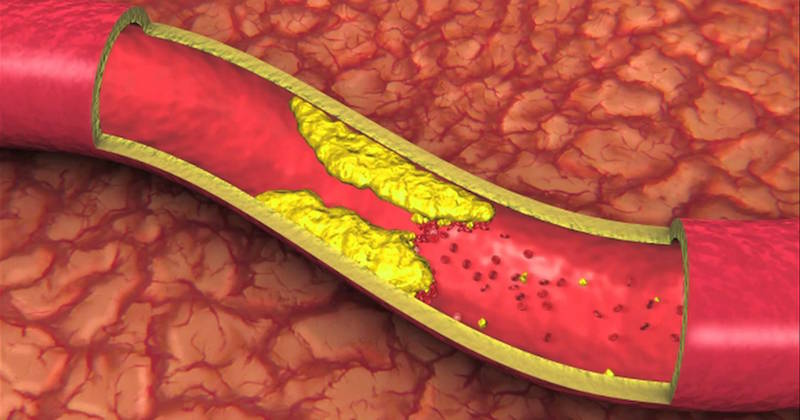
Understanding Atherosclerosis
Atherosclerosis is the hardening and clogging of the inner lining (intima) of the arteries with arterial lipid (fatty) deposits and plaque. This condition can occur in a few parts of the body. Coupled with thicker-than-normal blood containing clots, blockage can occur in an artery which stops the flow of blood.
If this occurred in the arteries leading to the heart and decrease oxygen supply, a chest pain may happen. This is called angina. When it shuts off the blood flow, suffocating patches of cardiac muscle, it causes a heart attack (myocardial infarction).
If the blockage occurred in the brain, part of the brain may die, paralyzing part or the whole body. This is called a stroke, although stroke can also result from an artery rupture (cerebral hemorrhage).
If a blockage occurred in the hands or legs, it can result in extreme pain and may lead to gangrene (local death of body tissue).
Another problem that can occur along with atherosclerosis is arteriosclerosis, the hardening of the arteries. At birth, our arteries are elastic, but with age and with our poor choices of food, arteries may lose their elasticity and harden. When this happens, the risk of thrombosis, angina, heart attack and stroke also increase.
Symptoms of Atherosclerosis
While we often check our cholesterol level to determine our risk for atherosclerosis, the culprit is really the homocysteine level. Homocysteine is a dangerous amino acid in the blood which is found in normal dietary protein.
The homocysteine level in your blood is many times more predictive of atherosclerosis than your cholesterol level. An average homocysteine level is around 10 units but the ideal is below six units. Those with a history of cardiovascular disease often have a level above 15 units.
Causes of Atherosclerosis
A few factors may contribute to atherosclerosis—genetic background, sedentary lifestyle, inability to handle stress, smoking and high blood pressure.
But the major determinant of how quickly or how severely your arteries get clogged is your dietary, WHAT you eat.
Studies have shown that even if you had been eating recklessly in your earlier days, or even if you have had a heart attack, changing your eating habits NOW can and will prevent future catastrophe and reversing arterial damages that have already occurred.
Nature’s healing foods can lower your homocysteine level, clean up the arterial deposits and plaques, and affect blood clotting factors.
Diet/Lifestyle Suggestions
If you had survived a heart attack, decide TODAY that you will change your diet and lifestyle. Here are a few suggestions to change your future health for the better:
- Avoid fried and fatty foods, limit your intake of meat and dairy products especially of commercially raised animals. Oily fish such as sardine, herring, mackerel, salmon and tuna are better choices
- Vegetable cooking oil is usually the big culprit in clogging arteries. Healing fats, on the other hand, will help to clean out this clogging. Include any of these healing fats as supplements to your diet: flaxseed oil, olive oil. Grapeseed oil and coconut oil are best to be used for cooking. Read more about Essential Fatty Acids here.
- Consumption of animal fats (lard) destroys arteries by encouraging blood stickiness and suppressing clot-dissolving mechanisms, clogging and constricting arteries. Just by giving up animal fat helps tremendously.
- Include plenty of fresh fruits and vegetables into your diet. They are highly cleansing, building, nourishing and repair the damages already done. Learn and adapt a juicing lifestyle that can greatly reduce your risks—this website has everything you need to know to start a healthy juicing lifestyle. When you are not juicing, eat plenty of greens especially leafy vegetables and make a majority (about 80%) of your dietary non-meat. Unquestionably, dedicated fruits and vegetables eaters have better arteries.
- Use less salt and sugar when cooking and restrict intake of these harmful compounds. However natural sea salt, Himalayan salt, and natural sodium from vegetables or natural sugar from fruits are preferred.
- Quit smoking and cut down on stimulants such as coffee, tea and soda drinks. These habits stimulate the release of adrenaline that thickens blood.
- Exercise. I can’t emphasize enough, how important exercise is if you want to add many more healthy years to your life span. Even light exercises like brisk walking, cycling and swimming for 15-20 minutes, two or three times a week, can help reduce cholesterol levels, pulse rate and blood pressure.
- Avoid prolonged stress. When you are stressed, the body slows down all functions to channel energy into dealing with stress. During prolonged stress, the blood also thickens.
Recommended Healing Foods to Help Reverse Atherosclerosis
Most fruits have vitamin C and high antioxidants content that are important for strengthening and maintaining the elasticity of the arteries. Pineapple, guava, strawberries and capsicum are some of the best sources of coumarin that is highly beneficial in cleaning out the arterial deposits. Capsicum also has folate and vitamin B6 that are important in reversing atherosclerosis.
Fresh, green vegetable juice is one of the best things for melting away the plaques build-up in the arteries. Eat/juice plenty of fruits and vegetables, you can’t go wrong. Here are some helpful healing foods that should be included in your diet.
 Carrot Carrot |
 Green apple |
 Avocado Avocado |
 Celery Celery |
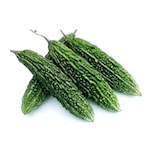 Bittergourd Bittergourd |
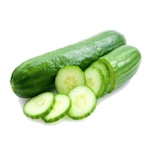 Cucumber |
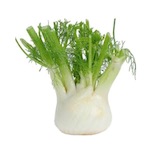 Fennel |
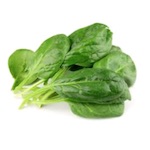 Spinach Spinach |
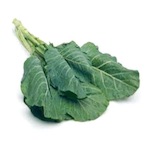 Collard greens |
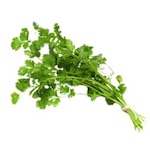 Cilantro |
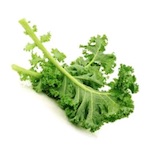 Kale |
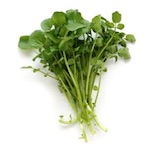 Watercress |
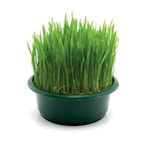 Wheatgrass |
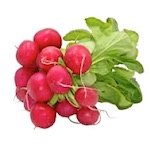 Radish |
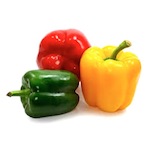 Capsicum |
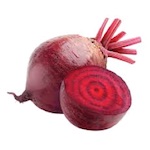 Beetroot |
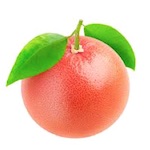 Grapefruit |
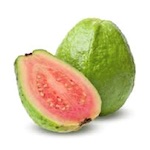 Guava |
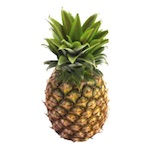 Pineapple |
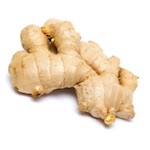 Ginger |
Spinach and avocado are rich in folate and vitamin C. Folate helps lower homocysteine level. Carrot has high-content of vitamin A and beta-carotene that are also essential in reversing atherosclerosis.
Watermelon and pomegranate are highly diuretic and cleansing. They contain vitamin C, beta-carotene, antioxidants, lycopene and other minerals that also help to ‘scrub’ away arterial deposits.
Some Suggested Combos (measurement for one portion):
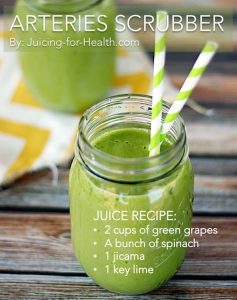
- 2 green apples + 6 ribs of celery + a bunch of spinach + a slice of lemon
- 2 green apples + 2 guavas + 2 yellow/red capsicums + a slice of lemon
- 8-10 leaves of kale (or any other green leafy vegetable) + ½ pineapple (remove skin) + 1 cucumber + 6 ribs of celery + 1-inch ginger root
- 1 grapefruit + 1 beetroot + ½ lemon + 1-inch ginger root
- 3 carrots + 4-6 small red radish (pungent) + 4 ribs of celery + ½ lemon
- 1 oz of wheatgrass juice daily
- 1 cup of pomegranate juice daily
Learn how to make tasty green juices.
Some of the links I post on this site are affiliate links. If you go through them to make a purchase, I will earn a small commission (at no additional cost to you). However, note that I’m recommending these products because of their quality and that I have good experience using them, not because of the commission to be made.


 JOIN OVER
Comments