
16 Foods That Help Relieve And Prevent Constipation (And How To Do A Cleanse)
Last updated on
It is so important to relieve constipation. Chronic constipation if left unmanaged, can cause a host of untold ailments and poor health.
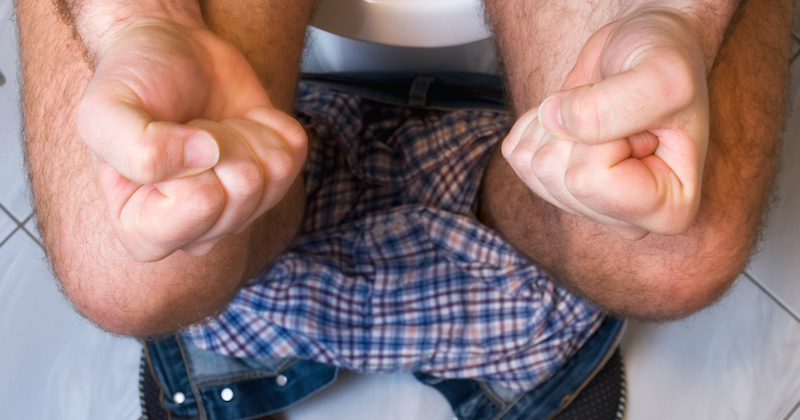
Understanding Constipation
Constipation is a condition where the fecal matter is so dry and tightly packed in the colon that bowel movements are infrequent, incomplete, and the sufferer would experience difficulty in eliminating very little, dry, and hard stools. Bowel movements are usually strenuous, and there is a constant feeling of fullness or bloating.
Bowel movements should be as frequent as you have meals. If you had three meals a day, then you need to have as many number of eliminations that should be complete, fast and easy.
If bowel movements occur only once in every few days, and you have to strain for a long time to eliminate, eliminating black hard pebbles that drop right to the bottom of the toilet bowl, then this is definitely serious trouble waiting to happen. Squat pooping often help improve elimination.
Constipation is not a disease. It is a symptom of a poor health condition. Most people, especially those from the city, have constipation. This is the result of eating too much processed foods that are lacking in fiber, and insufficient fresh foods that are full of live nutrients and enzymes.
If left untreated, constipation can lead to other more serious health conditions. Our colons are like the sewage system. Imagine if your toilet plumbing gets clogged up. When you flush it, there will be an overflow. If you don’t fix the clogging, the wastes will be all over your toilet floor and soon the whole house will stink and you will be living in a very unhealthy environment.
Likewise, when unwanted wastes and deposits are clogged up in your colon and unable to be eliminated, they will begin to rot inside. If these are not flushed out, it becomes a toxic overload and a breeding ground for billions of parasites and bacteria. Numerous health conditions will surface if this is not addressed quickly with a cleanse, change in dietary and lifestyle. This condition is one of the causes of colon cancer.
Symptoms of Constipation
As I mentioned above, constipation is a symptom. But there are also other symptoms that arises from this symptom, creating a whole lot of too many other problems.
Some of these symptoms are: aching joints, allergies, backaches, bad breath, body itchiness or skin problems, obesity, persistent headaches, irritable bowel syndrome, overweight, poor skin, poor memory and excessive mucus (nasal congestion and in the throat).
Even the immune system will be compromised. Constipation sufferers are often prone to catch colds, flu and other viral infections easily. And when they catch these, it will usually take them a much longer time to recover than necessary.
In more severe cases, and this often happens when constipation is not rectified by a dietary and lifestyle change, it can lead to “leaky gut syndrome“. This is a condition where waste materials have accumulated over many years and has become auto-intoxicating. Toxins from the colon gets reabsorbed and circulated back into the bloodstream. These toxins can damage the liver, lung and kidneys. A person with this condition will constantly feel tired, has low immune system and feels weak all the time. They are also often good candidates for parasites and Candida overgrowth that in turn cause a host of many other health problems, even cancer.
Causes of Constipation
One of the most common causes of constipation is not drinking enough water AND a poor diet—a diet that is low in fiber and/or a diet high in fats and carbohydrates, and too much processed foods. Processed foods are any foods that no longer looks like its original state. You recognize them by their beautiful packaging on the supermart shelves with long shelf life. See also the Harmful Foods page.
A lot of the time, constipation is also a result of either an intestinal tract condition, such as irritable bowel syndrome (IBS), diverticulitis, candida or a more common condition like dehydration.
It can also be caused by medication or other health problems such as anemia, bloating, colic, depression, diarrhea (yes, paradoxically!), insomnia, or vertigo.
Often, use of laxatives may provide temporary relief. But overuse of laxatives will lead to chronic constipation because the digestive tract becomes dependent and cease doing what it should naturally be doing.
Diet/Lifestyle Suggestions
Your fiber intake should be more of the insoluble type which can be found in abundance in fruits, vegetables, wheat bran cereals and whole grain foods. Although for some people, these might cause bloating. Introduce the fiber in small amounts, gradually, and together with drinking LOTS of water. Soluble fiber found in oats and a variety of fruits will also help promote bowel movements.
 Reduce intake of animal protein, dairy products and processed foods. Avoid over-the-counter laxatives. Indulge instead, in natural laxatives that are abundant in fresh fruits and vegetables. Consult your doctor and work with him to cut back on drugs that may contribute to your constipation.
On top of your dietary change, be sure to take up regular aerobic (endurance) exercise. This could be walking, swimming, jogging, or bicycling—leg movements that will help the peristalsis movement in the colon and digestive tract.
If you have chronic constipation, consider going on a juice fast to let your digestive tract a much needed rest from processing more food. Drink at least 12 to 14 glasses of 8-oz water daily, adding 1 teaspoon of apple cider vinegar with 1 teaspoon raw honey into your water, four times a day. Fresh fruit and vegetable juices can provide the much needed enzymes that can help with digestion and elimination of waste material with its natural laxative effects.
Other suggested foods: peas, oatbran, oatmeal, figs, barley, prunes, dried legumes, beans, lentils, barley, dried fruits, berries, nuts and leafy green vegetables.
Caution: A high-fiber diet may produce gas, stomach cramps and other intestinal discomforts. Introduce fiber in small amounts, and gradually increasing. Drink plenty of water during this time, to help the fiber eliminate old fecal matter easier.
Gastrointestinal Cleansing
A proper gastrointestinal (GI) cleansing program will help to clean out not only the colon, but the entire digestive tract that is about 21 feet long in an average adult. Once your digestive tract is cleansed out, absorption of nutrients is optimized. With a clean digestive tract, healing takes place more rapidly as you continue to drink healthy fresh juices.
Look up the gastrointestinal cleansing page, on how you can do a complete gastro detox. Alternatively, I find Dr Natura’s colonix range to be very gentle, safe and effective to do as well. For best results, you may want to get the entire range, although a bit pricey, they work if you follow through.
BUY DR NATURA GI CLEANSE:
Recommended Healing Foods to Relieve Constipation
This combination: carrots + green apple + wheatgrass is one of the best recipes that can help relieve constipation naturally. If you are not able to get wheatgrass, use spinach instead. Taking this juice regularly will help you regulate your bowel movements. Make sure to use only green apples as they have a different enzymes from the red apples, that help with digestion.
Spinach is an excellent intestinal tract cleanser and regenerator, making it a great food for constipation sufferers. The alkalizing effect of watermelon helps neutralize the toxic and acidic environment in the colon. Watermelon juice is effective in aiding the elimination of wastes.
Potato juice helps prevent the fermentative process in the intestine and encourage the growth of friendly bacteria in the digestive tract. Sweet potatoes can be juiced or steamed and eaten for its bulk.
 Carrot |
 Apple |
 Spinach |
 Wheatgrass |
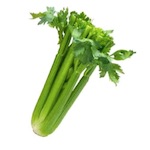 Celery |
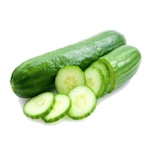 Cucumber |
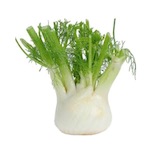 Fennel |
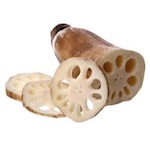 Lotusroot |
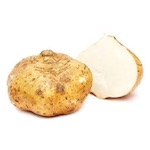 Jicama |
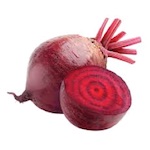 Beetroot |
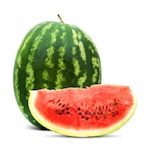 Watermelon |
 Kiwifruit |
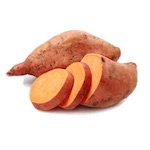 Sweet potato |
 Banana |
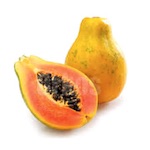 Papaya |
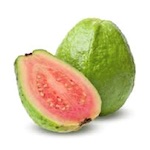 Guava |
Drink and eat as much fresh fruits and vegetables as you can. They should make up 80% of your daily food. Kiwifruit, oranges, grapefruit, banana and papaya are fruits that are very high in fiber and are natural laxatives. Whether you juice them, make into smoothies or just eat them whole, they are much healthier and safer than laxative pills that you buy over the pharmacy counter. Together with these, remember also to drink LOTS of water. See this page to understand what is your minimum daily water requirement.
Some Suggested Combos (measurement for one portion):
- 1 green apple +1 oz wheatgr
 ass juice
 - 2 green apples + 3 kiwi fruits + a squeeze of lime juice
- 2 carrots + 2 green apples + 6-8 ribs of celery + 1/4 head of cabbage
- 1 medium-sized beetroot + 1 bulb of fennel + ¼ lemon (with peel)
- 2 carrots + 1 sweet potato + 1 jicama
- 2 green apples + 2 oranges + 1 grapefruit
- ½ medium-sized watermelon + ¼ lemon
- ½ lemon (with peel) + raw honey to taste + 1 tsp cinnamon powder + 250 ml very warm water
Learn how to make great-tasting green juices.
Some of the links I post on this site are affiliate links. If you go through them to make a purchase, I will earn a small commission (at no additional cost to you). However, note that I’m recommending these products because of their quality and that I have good experience using them, not because of the commission to be made.

Comments
Leave a Reply


 JOIN OVER
Your articles are so helpful. Thank you so much.
I enjoy your page a lot!!!
I will start juicing as soon as I purchase my good quality juicer this week!!!
Thank you