
What Is a Phytochemical (Phytonutrient)?
Last updated on
Phytochemical is a general term refering to a number of natural compounds found in plants that are powerfully beneficial in protecting us from diseases.
What is Phytochemical/Phytonutrient?
“Phyto” comes from the Greek word “phuton” meaning “plants“, hence phytochemicals are the chemical nutrients found in plants. The terms are used interchangeably but “phytonutrient” is becoming increasingly popular for the positive association with “nutrient” rather than “chemical”.
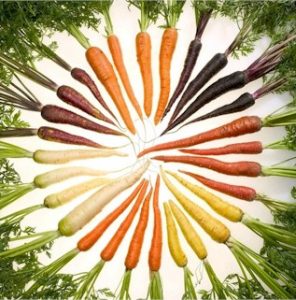 Phytochemicals refer to the natural chemical compounds found in plants that make up its color.
Why Phytochemicals are NOT vitamins
Phytochemicals were originally classified as vitamins: Flavonoids were known as vitamin P, indoles and glucosinolates were vitamin U, etc. But it was later found that phytochemicals are not vitamins at all.
Phytochemicals are not necessary to make our body function, nor do we get a disease resulting from phytochemical deficiency – thus phytochemicals cannot be classified as vitamins.
But phytochemical has been proven over and over again, to be beneficial for human health, not only in preventing diseases, but also in reversing some disorders.
Fresh fruit and veg are packed with Phytochemicals
Unlike most vitamins and enzymes, phytochemicals are not destroyed by preparation techniques such as chopping, extracting, cooking or grating.
In fact, sometimes preparation may even make the phytonutrients more readily available to us. For example, the sulfur compounds from garlic or onions are released when chopped and exposed to air. Or lycopene in tomatoes become more concentrated when processed and made into tomato sauce.
It is estimated that there are tens of thousands of phytochemicals. However, only about 1,000 of these were identified and only about a hundred were actually analyzed and tested.
An astounding fact that proves an amazing Creator is that in each plant, it is believed there are hundreds of different phytochemicals. A simple tomato not only has lycopene, but has several hundreds of other phytochemicals which cannot even yet be identified by mere man.
Recent researches have found that all plants contain compounds that protect them from diseases. When we eat these plants, the very same protective compounds, called phytochemicals, are made available to our bodies. In the same way, it protects our bloodstream, cells, tissues, membranes, organs and immune functions from diseases.
How Do Phytonutrients Work?
Study after study has shown that individuals with high intake of the four plant-based food groups (fruits, vegetables, whole grains and legumes) have a much lower risk of degenerative disease such as cancer, diabetes, heart disease and hypertension.
To understand how phytonutrients help prevent these disease, we need to backtrack a little and understand how diseases are formed and the role of antioxidants in the body.
An example: When free radicals run rampant in our body, through the air we breathe, the food we eat, or merely from stress, they cause deterioration and destruction of our healthy cells. This process ultimately results in degenerative disease in the weakest parts of our body that will succumb to attack first.
When we eat phytonutrient-rich food, it will quickly activate a group of enzymes that go around cleaning up the free radicals before they cause any harm to the body. Phytonutrients act like antioxidants. In fact, many phytonutrients are also anti-oxidants.
How Much Phytonutrients Do We Need?
As I mentioned above, phytonutrients are not a necessity to our body, but consumption will bring lots of health benefits. You can get lots of phytonutrients from eating a wide variety of fruit and vegetables.
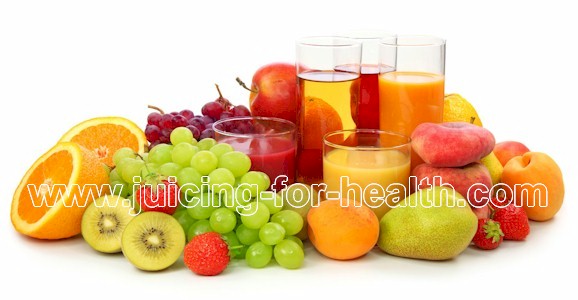
How much phytonutrients you need depends very much on your environment and your lifestyle. We cannot prevent the formation of free radicals but we can reduce them and minimize their destruction potential to our body.
If you think that you are in a high risk group, with build up of free radicals in the body, aim to increase your fruit and vegetable intake to counter the damaging effects of free radicals.
Generally, take at least five servings (five cups) of high quality fruits and vegetables daily. If you are in the high risk group, take between eight to twelve servings.
This may sound like a lot but is easily achievable if you juice and make fruits and vegetables part of your daily diet, cutting down on meat, to a vegetables to meat ratio of 5:1. If you have to take meat, opt for fish instead.
Decide to make this new dietary a lifelong commitment, especially if you are eating to reverse a certain health condition. You will definitely see an improvement.
The Phytochemical Family
The phytochemical family is so big that a whole book can be written about it. There are over 100 identified phytochemicals, but I have picked out some of the most common and proven phytonutrients to be listed here.
These are available in abundance in fruits and vegetables. You don’t need to remember them all. Just remember that when you eat as much of these whole, unadulterated natural food as possible, it will go a long way in protecting your health in more ways that you will ever know. There is nothing to lose, only much to gain!
| Phytonutrient | Health Benefits | Food Sources |
| Allicin and allylic sulfides | Anti-bacterial, anti-fungal, anti-viral, lower the risk of stomach and colon cancer. | Chives, garlic, leeks, onions, shallots. |
| Anthocyanidins and proanthocyanidins | Anti-oxidants, keep elasticity of capillary walls, anti-inflammatory, stop cancer cell formation. | Dark grapes, berries, cherries, ginger. |
| Bioflavonoids (quercetin, kaempferol, rutin) | Potent anti-oxidants, anti-carcinogenic; bind toxic materials and escort them out of the body. | Apricot, citrus fruits, berries, broccoli, cherries, grapes, papaya, cantaloupe, plums, tomatoes. |
| Carotenoids (alpha and beta carotene, lycopene, lutein) | Important anti-aging anti-oxidants, enhance immune function, balance blood ssugars, reduced risk of cardiovascular diseases and cancer (especiially prostate cancer). | Carrots, sweet potatoes, all berries, guava, grapefruit, watercress, pumpkins, tomatoes, watermelon, any dark green leafy vegetables, spirulina and chlorella. |
| Chlorophyll | Helps build healthy blood, protect against cancer, and a powerful wound healer. | All green vegetables, with high concentrations in grasses like wheat and barley grass; spirulina and chlorella |
| Coumarins | Have anti-tumor properties, enhance immune functions and prevent the formation of cancer-causing nitrosamines. | Beets, carrots, celery, citrus fruits, fennel, green peppers, pineapple, strawberries, tomatoes. |
| Ellagic acids | Neutralize carcinogens before they can damage DNA, protect from cancer-causing nitrosamines and aflatoxin. | Blackberries, cranberries, grapes, guava, raspberries and strawberries. |
| Glucosinolates | An important anti-cancer and liver-friendly phytonurient; reduce risks of cancer of breast, colorectal, lung and stomach by helping the liver detoxify. Also regulate white blood cells and cytokines. | Cabbage family vegetables, such as broccoli, Brussels sprouts, collards and kale. |
| Indoles and isothiocyanates | Reduce incidence of cancer, reverse cancer by killing cancer cells and inhibit cancer development. | Plentiful in the cruciferous vegetables like broccoli, Brussels sprouts, cabbage, cauliflower. Also in horseradish, kale, kohlrabi, strawberries and raspberries. |
| Lutein | Powerful anti-oxidant that protects against macular degeneration. | Green leafy vegetables such as cabbage, spinach, broccoli, kale. In fruits – avocado, kiwi fruit, mango, papaya, peaches, oranges, pear, plum. |
| Phytoestrogens | Bind excess estrogens to a protein made in the blood, thus reducing estrogens to estrogen sensitive tissues. This reduces risks of breast cancer in women and prostate cancer in men. Also provide protection for menopausal symptoms, fibroids and other hormone-related diseases. | Alfalfa and sprouts, celery, citrus fruits, fennel, legumes, wheat, licorice, |
| Phytosterols | Blocks the uptake of cholesterol and excrete it from the body, thus helping to prevent heart diseases. Also halts the development of tumors in breast, colon and prostate glands. | Most plants, especially green and yellow vegetables, seeds, beans and lentils. |
| Polyphenols | Very potent anti-oxidants with anti-cancer properties, more powerful than vitamin C and E. | Especially found in green tea. Also in bilberries, Siberian ginseng and bee pollen. |
| Polysaccharides | Protect against radiation. Absorb toxic metals and xenobiotics and discarding them from the body. | Spirulina and chlorella. |
| Sulforaphane | Its anti-bacterial compounds reduce risks of stomach ulcers and stomach cancers. | From the cruciferous family again, i.e. broccoli, Brussel sprouts, cauliflower, kale. |
<
Some of the links I post on this site are affiliate links. If you go through them to make a purchase, I will earn a small commission (at no additional cost to you). However, note that I’m recommending these products because of their quality and that I have good experience using them, not because of the commission to be made.


 JOIN OVER
Comments