






[?] Subscribe To This Site

XML RSS
Add to Google
Add to My Yahoo!
Add to My MSN
Subscribe with Bloglines


Home
ABOUT NUTRITION Holistic Nutrition
Harmful Foods
Healing Foods
JOY OF JUICING Fruit Juicing
Vegetable Juicing
Juicing Lessons
Juicer Recipes
Juicer Pulp Recipes
Juice Fasting
Juicing For Kids
FUN SMOOTHIES Healthy Smoothies
Smoothie Recipes
JUICER REVIEWS What To Look For
Manual Juicers
Centrifugal Juicers
Single-Gear Juicers
Twin-Gear Juicers
SHOPPING Juicers SHOPPE
JFH Online Store
Books I Read
Metabolism Makeover
FUN JUICY STUFF Free E-Zine
Juicy Videos
Juicing FAQ
Fun & Fav Recipes
Your Juicing Story
Tips & Tricks
What Is ...?
Related Articles
INTERACT About Lady Juice
Juicy Guest Book
Contact Form
Site Index / Search
Share This Site
Links / Resources
My Detox Site
 

Oxalic Acid

ORGANIC oxalic acid is essential for
our body. It is the INORGANIC form of
oxalic acid that we need to be aware of.


What is Oxalic Acid?

Oxalic acid is a colorless, organic compound that occurs naturally in plants, animals and in humans.  Organic oxalic acid is an important element, even essential, to maintain and to stimulate peristaltic motion in our body.

It is when oxalic acid is cooked or processed that it becomes dead, or inorganic and thus harmful to our body.

Oxalic acid readily combines with calcium.  If both oxalic acid and calcium are organic at the point of combination, the result is beneficial where the oxalic acid helps the digestive assimilation of the calcium.  At the same time, this combination helps stimulate the peristaltic functions in our body.

It is only when the oxalic acid has become inorganic because it was cooked or processed, that it forms an interlocking compound with the calcium that destroys the nourishing value of both.  This results in a deficiency of calcium that causes decomposition of the bones.

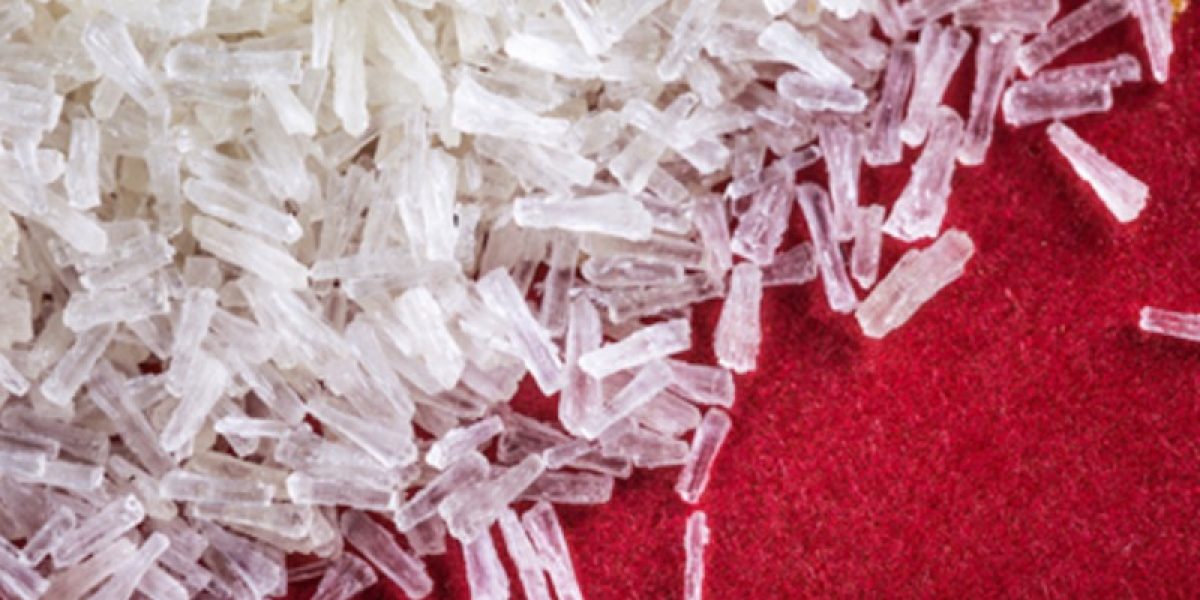
When the concentration of inorganic oxalic acid is high, it may precipitate out in crystalline form.  These tiny crystals can irritate the human tissues, and get lodged in the stomach, kidneys and bladder as "stones".

Oxalic acid is present in abundance in many plant products, with especially high content in sour grass, rubharb and buckwheat.  Other plants containing high levels of oxalates are (in decreasing order): starfruit (also known as carambola), black pepper, parsley, poppy seed, amaranth, spinach, chard, beets, cocoa, most nuts, most berries and beans.

Even tea leaves contain among the highest measured concentration of oxalic acid. However, tea beverages typically contain only very low to moderate amounts of oxalate due to the very small amount of leaves used for brewing.

Just remember, organic oxalic acid is essential for your body and is completely harmless if consumed in organic form.  It is the inorganic oxalic acid that causes trouble to your body.  This is the reason why when you drink fresh raw spinach juice, your body utilizes 100% of all the minerals that spinach has to offer.  But when cooked, the oxalic acid in spinach becomes inorganic and may posed some health problems in the long run.

Warning:  If you have kidney problems, keep your oxalic acid intake low, whether organic or inorganic.  See the list below as a guide.

To top


Oxalic Acid Content in Selected Foods

           Starfruit: Contains a high level

                    of oxalic acid

People with recurrent kidney stones have a tendency to absorb higher levels of dietary oxalates compared to those not prone to kidney stones.  A low-oxalate diet is eating  foods containing less than 50 mgs of oxalic acid per day.
 

Below is a list of selected foods with high oxalates content.  Please take this as a guide only as the content level may differ depending on the differences of climate where the plant was grown, the soil quality, state of ripeness when being tested, and also which part of the plant was analyzed.

People with recurrent kidney stones have a tendency to absorb higher levels of dietary oxalates compared to those not prone to kidney stones.  A low-oxalate diet is eating  foods containing less than 50 mgs of oxalic acid per day.

Below is a list of selected foods with high oxalates content.  Please take this as a guide only as the content level may differ depending on the differences of climate where the plant was grown, the soil quality, state of ripeness when being tested, and also which part of the plant was analyzed.


Vegetables with High Oxalates Level ( >10 mg / serving)

  • Beets, greens or root *

  • Celery

  • Collards

  • Dandelion greens

  • Eggplant

  • Escarole

  • Green beans

  • Kale

  • Leeks

  • Okra (lady's finger) **

  • Parsley

  • Parsnips

  • Pepper, green

  • Potatoes

  • Pumpkin

  • Spinach *

  • Squash, yellow summer

  • Sweet potatoes

  • Swiss chard *

  • Tomato sauce, canned

  • Turnip greens

  • Watercress

Fruits with High Oxalates Level ( >10 mg / serving)

  • Concord grapes

  • Figs, dried **

  • Kiwi

  • Lemon peel

  • Lime peel

  • Orange peel

  • Rubharb *

  • Starfruit (carambola) **

Grains with High Oxalates Level ( >10 mg / serving)

  • Bread, whole wheat

  • Buckwheat ***

  • Oatmeal

  • Popcorn

  • Spelt

  • Stone-ground flour

  • Wheat bran

  • Wheat germ

  • Whole wheat flour


Nuts and Seeds with High Oxalates Level ( >10 mg / serving)

  • Almonds **

  • Brazil nuts

  • Hazel nuts

  • Peanut butter ***

  • Peanuts ***

  • Pecans

  • Sesame seeds *

  • Sunflower seeds

Other Foods with High Oxalates Level ( >10 mg / serving)

  • Beer

  • Chocolate

  • Cocoa

  • Soy and all soy products

  • Tea, black

  • Tea, green

*      >50 mg / serving

**    >100 mg / serving

***  >200 mg /serving


footer for oxalic acid page