
Osteoporosis: It’s Time You Check The Skeletons In The Closet
Last updated on
Some people don’t experience osteoporosis symptoms until a fracture or collapse occurs. It is time you check the skeletons in the closet.
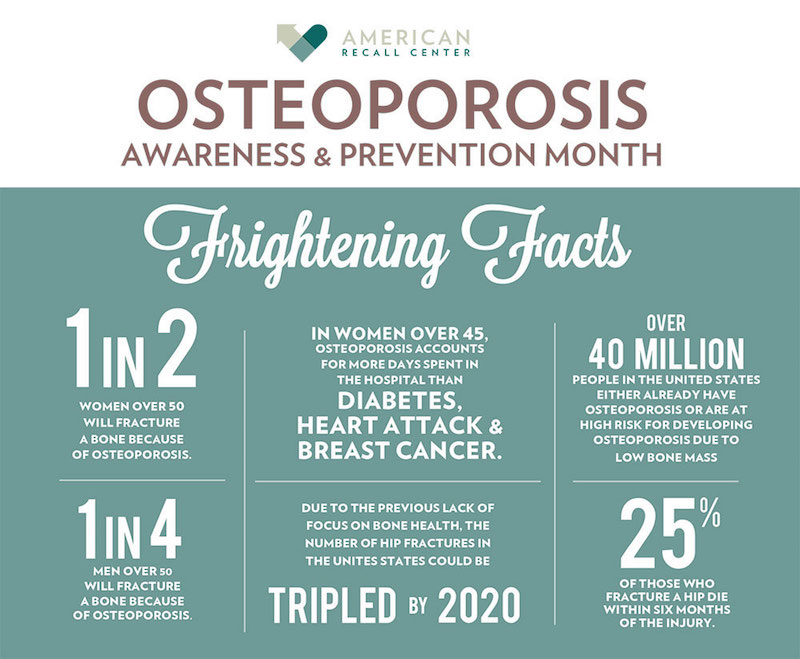
Infographic Source: American Recall Center
May is the month of Osteoporosis Awareness and Prevention. Don’t be a statistic.
Understanding Osteoporosis
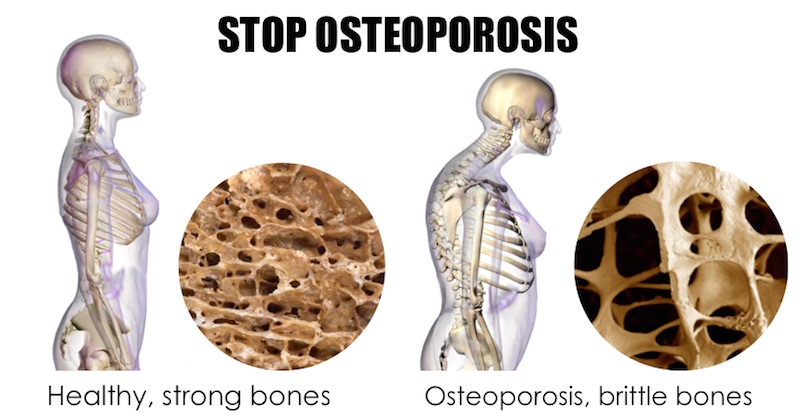
Osteoporosis means “porous bones”. It is a condition where a progressive decrease in the density (or porosity) of bones weaken and thin the bones, making them fragile and fracture easily.
Like other parts of the body, bones are continually being rebuilt. There are two kinds of bone cells: Osteoblasts build new bones, whereas osteoclasts break down and get rid of old bones.
More bone is formed in the young adult years, progressively increasing in density until about age 30 when they are at their strongest. After that, breakdown of bones slowly decrease the density.
When the body is unable to maintain adequate amount of bone formation with the proper nutrition, bones continue to lose its density and become increasingly fragile, eventually resulting in osteoporosis.
Bones contain minerals such as calcium, magnesium and phosphorus that keeps them strong and hard. The ability to absorb calcium into the bones depends very much on vitamin D. Vitamin C helps make collagen, and zinc helps make new bone cells.
Symptoms of Osteoporosis
Initially, there may be no symptoms from osteoporosis because loss of bone density occurs very gradually. Some people never develop symptoms until a fracture or a collapse occurs, causing severe sudden pains.
Some people develop aching bone, pain and deformities. It may also result in considerable loss of height. Interestingly, fractures usually occur at the end of bones rather than in the middle; in the spinal column it would occur in the middle to lower back.
Vertebral crush fractures are called osteoporotic fractures. Usually pain starts suddenly, stays in a particular area in the back and worsens when the sufferer stands or walks. Several vertebrae may break, causing muscle strain and soreness and deformity.
Bones in other parts of the body may also fracture from a minor strain or fall. But the most serious fracture is a hip fracture, causing a major disability and loss of independence.
Causes of Osteoporosis
Normal bone metabolism is dependent on many factors — nutritional, lifestyle and hormonal factors.
Contrary to what many people believe, that osteoporosis is the result of loss of calcium, researches have shown that the answer certainly isn’t just a lack of calcium intake. Like any other living tissue, bone needs a diverse amount of essential nutrients to be present to combat this debilitating disease.
Other causes have been traced to dietary factors such as diets high in protein, phosphorus, refined sugar, salt and acidic-forming foods, with deficiencies of trace minerals intake. Foods high in meat protein cause the body to be over-acidic. In an acidic body, calcium (alkaline) will be taken from the bones to help balance the body pH. Over a long period of high meat protein diet, osteoporosis can develop.
Lifestyle factors include family history of osteoporosis, alcoholism, smoking, short stature, low body mass (small bones), never having been pregnant, and a sedentary lifestyle or physical inactivity.
Osteoporosis is particularly prevalent in women after menopause. Although conventional explanation is that osteoporosis is caused by the lack of estrogen, scientists now think that it is the deficiency of progesterone that is precipitating osteoporosis.
Diet/Lifestyle Suggestions
In order to reduce or prevent osteoporosis, we need to heed several important factors:
- Preserve adequate bone mass
- Prevent the loss of the protein matrix part of the bone
- Ensuring that the bone has all the proper nutrients it needs to repair and replace damaged bones
Calcium is essential and helpful for the bone but it isn’t the only answer. It is the optimal absorption of the nutrient that is important. Calcium needs magnesium and vitamin D to form new bone. Without these two components, calcium is rendered almost useless in the body!
Other essential nutrients for fighting osteoporosis include folate, vitamin B6 and B12, vitamin C and K, manganese, boron, silicon and zinc.
Avoid diets high in salt, refined sugar, protein and processed foods, as they cause calcium removal from bones and increase calcium loss in the urine. Carbonated beverages have very high phosphate (phosphorus) content with low calcium, causing calcium to be extracted from the bone.
Avoid alcohol and caffeine as they increase your risk of osteoporosis by manifold. Animal fats (lard) prevent you from absorbing calcium normally as the fats bind the calcium, preventing absorption.
Avoid or consume in moderation, foods that are high in inorganic oxalates. Meat and dairy products are not the best sources of your protein. Get most of your protein requirement from eggs and dairy source such as low-fat cottage cheese, yogurt. Quinoa, millet and avocado are also excellent source of high quality plant protein.
 Eat an alkaline-based diet that are abundant in vegetables, fruits, nuts and legumes. Green leafy vegetables are rich sources of a broad range of vitamins and minerals that are important for maintaining healthy bones.
Milk has often been thought to provide calcium for the bones. I’m sorry to say that that is grossly wrong.
In a study involving over 70,000 women, no evidence was found to prove that higher intake of milk actually reduced fracture incidences. In fact, women who drank two or more glasses of milk per day actually had an increased risk of 45 percent for hip fracture compared to women consuming one glass or less per week. In other words, the more milk a woman consumed, the higher the risks of hip fracture.
A trace mineral called boron has a mighty influence that boosts your bone metabolism. Without it your body cannot retain the necessary calcium. Boron is richly found in fruits, legumes and nuts. Nature has a way of packaging all the “right” and necessary nutrients together in fruit or a vegetable that complement each other for better absorption when consumed. The nutrients work synergistically to repair, heal and nourish … powerfully.
Foods high in vitamin D: fresh sardines, herring, salmon, mackerel, tuna. Non-food source of vitamin D is naturally, the sun!
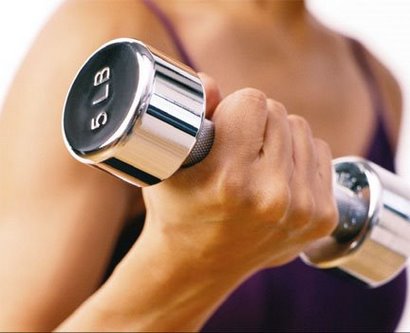
Finally, develop a modest exercise program. Weight-bearing or strength-training exercises are a necessary component in stimulating the body to make more bone. Walking may help the lower legs but does very little for the back and hips. Lifting weights over your head are critical in preventing this crippling disease.
Must read:
Soft drinks: What you don’t know can kill you
Salt: The deadly hidden salt in your food
Recommended Healing Foods to Prevent Osteoporosis
Almost any fruits and vegetables that you take will provide you the variety of essential nutrients and minerals necessary for preventing osteoporosis. Your absorption of calcium will be greater from vegetables than from milk. Add green leafy vegetables in your juicing where possible.
You will be surprised that when you juice 100g of fresh spinach and 50g of fresh parsley (total of 150g), the green juice would yield much more iron than 300g of beef and more calcium than 300g of milk!
Here are some suggestions of fruits and vegetables that have high calcium-magnesium content:
 Carrot Carrot |
 Apple Apple |
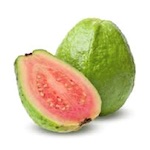 Guava Guava |
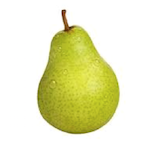 Pear |
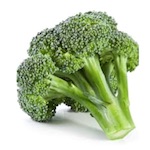 Broccoli |
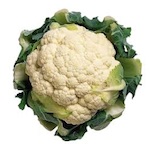 Cauliflower |
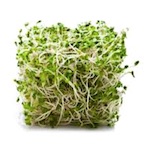 Alfalfa sprouts |
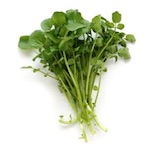 Watercress |
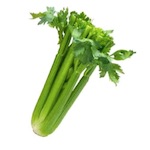 Celery |
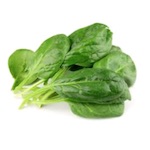 Spinach |
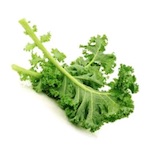 Kale |
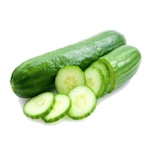 Cucumber |
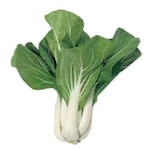 Bokchoy |
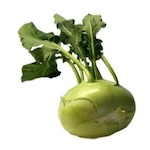 Kohlrabi |
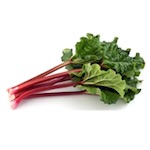 Rhubarb |
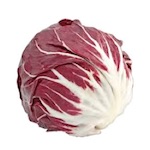 Radicchio |
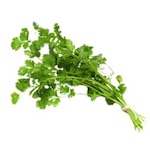 Cilantro |
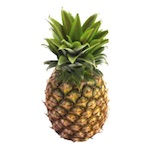 Pineapple |
 Strawberry |
 Tomato |
Notice that most of the fruits and vegetables that are rich in calcium have a “crunchy” texture. They provide significant protection against osteoporosis. The isoflavones in alfalfa sprouts help increase bone mineral density and prevent bone breakdown. Kale, spinach and the other greens contain more calcium than from meat sources. Mix green juices with beta-carotene from carrot and boron from apple or pear for better absorption.
Some Suggested Combos (measurement for one portion):
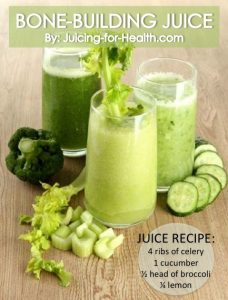 2 green apples + ½ head of broccoli or cauliflower + 1 cucumber + a bunch of cilantro + a slice of lemon
- 2 carrots + 2 green apples +1 cucumber + 8-10 leaves kale or a bunch of spinach + 4 ribs of celery + ¼ lemon
- 2 carrots + 2 green apples + 2 tomatoes
- 2 pears + 1 guava + 6 ribs of celery + 1 kohlrabi or a fennel + ½ bunch of spinach
- ½ medium-sized pineapple + 2 ribs celery + 8-10 leaves of kale + 1 cucumber + a bunch of cilantro + ¼ lemon
Learn how to make great-tasting green juices.
<
Some of the links I post on this site are affiliate links. If you go through them to make a purchase, I will earn a small commission (at no additional cost to you). However, note that I’m recommending these products because of their quality and that I have good experience using them, not because of the commission to be made.

Comments
Leave a Reply


 JOIN OVER
Yhank you for the information its a big help, bless you