
Eliminate Acidic Foods From Your Diet to Delay Symptoms of Osteoarthritis
Last updated on
You can prevent osteoarthritis symptoms from getting worse, or possibly even reversing them, by improving on your diet and lifestyle.
Understanding Osteoarthritis
“Osteo” means bone, “arthritis” is joint inflammation. Osteoarthritis is one of the most common form of degenerative arthritis of our times. It is the degeneration of the cartilage in the joints. Cartilage is the gel-like substance between bones that act as a cushion or a ‘shock absorber’.
Osteoarthritis affects more men under the age of 40, women between ages 40 and 70, and equally between both sexes above 70.
Although osteoarthritis affects more elderly people, it now affects even younger people. The cause is not simply because of wear and tear.
Our body is continually going through the process of building up and breaking down. We need to build up the cartilage at the same rate that it’s wearing down in order to keep the joints healthy.
When the cartilage is wearing out, it either means that the breakdown rate is faster, or that the building-up rate is slower. What breaks and what builds? Read on.
Symptoms of Osteoarthritis
 This condition usually affects only one or a few joints at first, mostly at the joints of fingers, big toes, neck, lower back and more commonly at the knees. In some people, the early symptoms are stiffness in the joints after sleep, which subsides when the joints are moved.
When these joints are stressed, the body attempts to repair the cartilage which leads to new growth of the cartilage and tissue around it. This causes enlargement at the joints or bone spurs forming as a result.
Osteoarthritis often affects the spine, neck or lower back. When the overgrowth of bones press on the nerves, it causes pain. As in other forms of arthritis, like gout, osteoarthritis pain usually attacks when the affected parts are cold, especially during rainy days or at night while sleeping, or early in the morning.
If left untreated, osteoarthritis can be crippling and lose its range of motion. Eventually, the joints may not be able to straighten out or bend.
Causes of Osteoarthritis
As mentioned above, the cause of osteoarthritis is more than simply wear and tear. Long-distance runners do not appear to be at a higher risk of developing this disorder. But if and when osteoarthritis does appear, long-distance running will make the situation worse.
Here are some of the causes of osteoarthritis:
- Deficiency in several antioxidants and essential nutrients like vitamin C, D, E and B3, which are all necessary to maintain healthy cartilage.
- Excessive production of free radicals, caustic enzymes and inflammatory cytokines that cause inflammation and the degeneration of cartilage.
- Body weight may contribute to this disorder as it increases the stress on the affected weight-bearing joints.
- Aging, the cartilage-building abilities and restoring decreases with age.
Diet/Lifestyle Suggestions
Knowing and understanding the cause of osteoarthritis will help you to change your diet and lifestyle in order to prevent this inflammation from developing further.

An excellent natural way to bring inflammation under control is to feed your body with ample essential nutrition to improve your immune system. This, in turn, protects our healthy cells from the destruction of inflammation.
How do you do that? First of all, there must be a lifestyle change. Learn what free radicals are doing to wreck your body, and eliminate them from your life as much as possible.
Antioxidant is the best tool to counter free radicals in your body and to ‘clean-up’ your body of toxins. It is important to include a diet that is rich in fruits and vegetables for the natural anti-oxidants and essential nutrients that are so critical in controlling this condition.
The phytochemicals from the plant compounds help protect against cellular damage and may even regenerate the cartilage.
On top of the improved diet, also include stretching, strengthening and postural exercises followed by a rest for the painful joints. Immobilizing a painful joint may worsen the condition. Where possible, do low impact aerobic exercises, like walking, swimming and bicycle riding.
Foods to avoid: Acidic foods like tomatoes and citrus fruits, potatoes, eggplant, spicy foods, animal fats (lard) pork, processed foods, white sugar, dairy products, coffee, omega-6 oil, and the deadly corn-flour.
Foods that help: Foods with high copper content help maintain a healthy cartilage, e.g. legumes (barley, lentils), mushrooms, nuts (almonds, hazelnuts, pistachio). Foods with high anti-oxidant content, e.g. dark green and yellow-orange vegetables, omega-3 oil, especially from salmon.
Also helpful are sulfur-containing foods, such as garlic, onions, bean sprouts and cabbage.
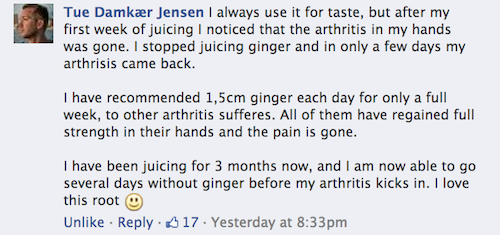
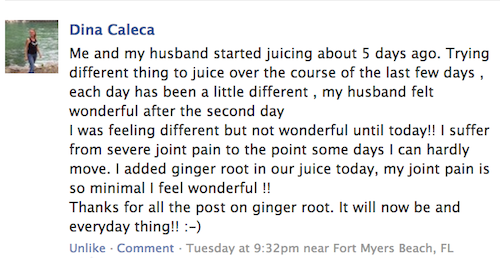
This Food Can Reverse Arthritis Pain!
Testimonies from fellow juicers whose arthritis pain were gone from drinking ginger root juice:
Recommended Healing Foods to Prevent Osteoarthritis
You can and should eat lots of vegetables but it’s nothing like drinking green vegetable juices. Green juices are so effective in cleansing out the toxins in our body, thus reducing inflammation.
Cabbage and celery have been shown to significantly reduce arthritic pains. Drink these juices regularly with green leafy vegetables like spinach and kale.
 Carrot |
 Apple |
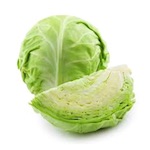 Cabbage |
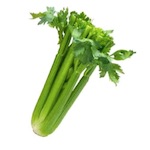 Celery |
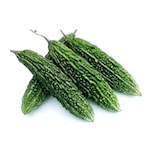 Bittergourd |
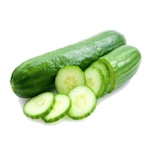 Cucumber |
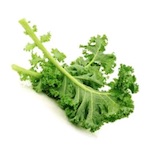 Kale |
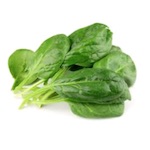 Spinach |
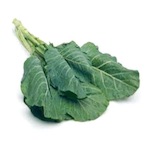 Collard greens |
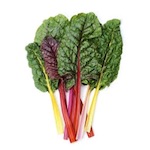 Swiss chard |
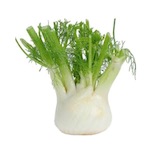 Fennel |
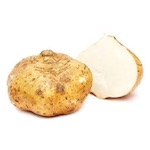 Jicama |
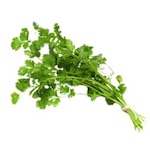 Cilantro |
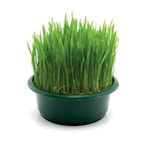 Wheatgrass |
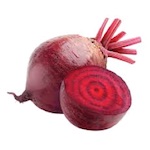 Beetroot |
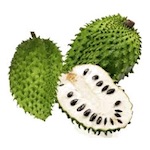 Soursop |
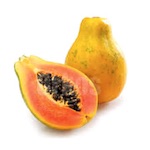 Papaya |
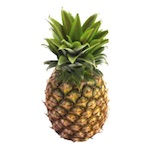 Pineapple |
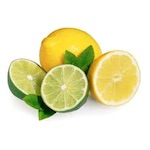 Lemon/Lime |
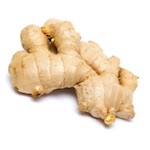 Ginger root |
Beetroot and bittergourd are amazing liver and kidney cleansers. They detoxify the liver and kidneys, improve their functions and protect them from excessive alcohol consumption and other toxins.
Pineapple, papaya, cucumber and ginger root are excellent anti-inflammatory foods which should be included in your diet if you’re suffering from inflammation problems.
Some Suggested Combos (measurement for one portion):
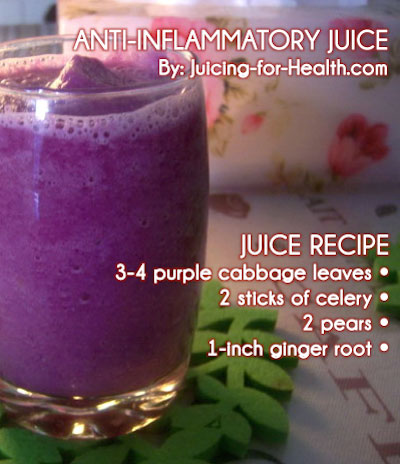
- 2 green apples + 1 cucumber + 6-8 ribs of celery
- 2 green apples + 1 fennel + a bunch of spinach + ¼ lemon slice + thumb-size ginger
- 2 carrots + 6 ribs of celery + ¼ head of cabbage + thumb-size ginger
- 2 green apples + 6 ribs of celery + 6 leaves of Collard greens + ¼ lemon
- 3 green apples + 1 cucumber + 1 small bitter gourd + ¼ lemon
- 1 cucumber + 2 medium-sized beetroot + ½ lemon
- 2 green apples + ½ small pineapple + 6-8 leaves of kale + ¼ lemon slice
- 1 oz wheatgrass juice, neat, with a squeeze of lemon
- Lemongrass-ginger tea
Learn how to make great-tasting green juices.
<
Some of the links I post on this site are affiliate links. If you go through them to make a purchase, I will earn a small commission (at no additional cost to you). However, note that I’m recommending these products because of their quality and that I have good experience using them, not because of the commission to be made.


 JOIN OVER