
Protect Yourself From The Common Cold With An Impenetrable Immune System
Last updated on
The best natural remedy for a cold or flu is to nip it in the bud. If you caught it early enough you will prevent the cold from getting full-blown.

Understanding Cold & Flu
The common cold is a viral infection of the lining of the nose, sinuses, throat and large airways. This is the upper respiratory tract infection that is caused by a virus.
A cold may be caught when a person comes into contact with nasal secretions from an infected person that carries the cold viruses. Less often, colds are spread when a person breathes air that contains droplets that were coughed or sneezed out by the infected person. A cold is most contagious in the first one or two days after symptoms develop and towards the end.
Influenza (flu) is an infection of the lungs and airways with an influenza virus that causes fever, runny nose, sore throat, cough, headache, muscle aches and lethargy.
Influenza is different from the common cold as they are caused by different viruses. The flu produces symptoms that are more severe and affects the cells much deeper down in the respiratory tract.
Influenza virus is spread by inhaling droplets that have been coughed or sneezed out by an infected person or by having direct contact with an infected person’s secretions.
Symptoms of Cold & Flu
Symptoms of the cold start 1 to 3 days after infection. The first symptoms that could be felt would be discomfort in the nose or throat. Then sneezing starts, and the infected person has a runny nose and feels mildly ill.
Initially, the secretions from the nose may be watery and clear. Eventually it becomes thicker, opaque, yellow-green and less. Sometimes, cough may also develop. Symptoms usually disappear in 4 to 10 days, although the cough may last longer.
With influenza, symptoms start 1 to 2 days after infection and can begin suddenly with a chilly sensation. Fever is common during the first few days with temperature rising to 102oF or 103oF.
There will be pains and aches throughout the body and are felt most on the back and legs. Headaches can be severe with aches around and behind the eyes causing them to be sensitive to bright light.
Initially, there will be a scratchy sore throat, dry cough and a runny nose. The cough may get severe and chesty. In some, symptoms may include nausea and vomiting.
Causes of Cold & Flu
There are many different viruses that cause colds, but the common ones are the rhinoviruses, within which there are about a hundred known subtypes.
Whereas in influenza, there are two types of virus, type A and type B with many different strains within each type.
When a person lives a healthy lifestyle and include plenty of fresh fruits and vegetables in his/her diet, maintaining the body pH level as basically alkaline, viruses stay dormant in the body and do not manifest. However, when a person’s diet consists mainly of foods that cause the body to be acidic (for example: processed foods, meat and dairy products, foods high in fats and low in fiber), then it sets the perfect environment for the viruses to multiply and cause trouble.
Diet/Lifestyle Suggestions
A strong immune system is the best defense against cold and flu. Build up your immune system with plenty fresh fruits and vegetables that are rich in vitamin C if you are prone to catching a cold or flu.
However, if you do get infected, the best way to stop a cold or a flu is to nip them in the bud when you feel them coming on. Once the virus establish a firm foothold, it will take a much longer time and suffering before you can be rid of it completely. See below for some recipes that may help prevent cold or flu.
When you have the cold, as the name suggests, your internal body is “cold” so you need to keep warm, and take food that “heats” up your body. During a cold, try to avoid fruit juice especially cold ones. Yes, that’s right. I don’t recommend fruit juice when you have a cold and flu, except for a handful allowable items that are listed below, and yes that includes pineapple.
Although oranges are often recommended for its vitamin C, I believe this should also be avoided as it may irritate the throat and cause more mucus. Another thing you definitely must avoid when you have the cold is milk and milk products.
During a cold or a flu, drink plenty of clear liquids. Drink lots of warm water with a pinch of sea salt. The water should be as warm as possible yet not hot. The warm water helps to relieve the soreness in the throat and the sea salt (not table salt) helps break up the accumulating mucus and congestion in the chest.
The old wives’ tale to drink chicken soup for a cold is actually very therapeutically potent. Chicken contains a natural amino acid called cysteine, which is released when you make the soup. Cysteine works to thin out and help move the lung’s secretions so they do not clog air passages and can be coughed up to be expelled.
Here’s a simple Chicken Soup recipe to try out if you’re not a vegan:
|
Chicken Soup Recipe: Stew half a chicken (organic chicken only) in a pot with enough water to cover. Bring to boil and then add these cut-up vegetables: 1 large peeled onions, 1 peeled sweet potato, 1 peeled parsnips, 1 peeled turnips and 5 carrots. Cook in low fire for about 1.5 hours. Add seasalt to taste. Then add 3 ribs of celery and a small bunch of parsley and cook further till vegetables are very soft. When done, remove the chicken to be used for other recipe. Scoop out the vegetables and blend them in a blender with a little soup for liquid base. Return the pureed vegetables into the broth and stir. Drink hot. |
Recipes Contributed by Site Visitors:
By Mariana L.:
Antibiotic: 3 to 4 radishes, Handful of radish sprouts, 1/4 beetroot, 1/4 red or green pepper, 1 parsnip and 1/2 cucumber.
Another antibiotic is just juice 3 oranges.
And another: 1/2 inch ginger (cut off the dry ends and use the more juicy center – that’s about 1.25 cm), 1 apple, 3 large carrots, 1 orange.
Gina W.M.: I actually make a soup: low sodium chicken broth, fresh minced garlic and ginger, and tons of chili paste and fresh squeezed lime juice, with some salt and spices added.
Thomas J.D.: Lemon, Ginger, Garlic. Adding honey and cayenne if you use them. Good for what ails you. Can be done as a shot, but I usually enjoy 20% juice to 80% pure water. If you want it hot, simmer the ginger. I suggest leaving the garlic raw. If you must cook the garlic, minimize cook time.
Jacqueline A.: Horseradish and lemon for the cough.
Recommended Healing Foods To Prevent Cold & Flu
When you have a cold or flu, it is best not to drink juices with the following exception. Pineapple is an exception as it is one of the very few fruits that are potent anti-inflammatory foods.
Cabbage and carrots stimulate the immune system and the production of anti-bodies that make good remedy in fighting off bacterial and viral infections. The addition of celery makes the recipe more tasty and provides the vitamins and minerals to support the immune system. Drink at room temperature.
This is one of my favorite prevention drinks when I feel a cold coming, often it’s a little discomfort at the back of the throat:
Juice a small organic lemon together with its peel. The peel has the essential oils and bioflavonoids that work synergistically with the vitamin C to be a super immune booster. Throw in an inch of old ginger root. To this, add 2 tablespoons of raw honey or to taste. Use only raw honey (the crystalized ones), processed honey (clear ones) doesn’t work and may add to your misery. Add approximately 250 ml of hot or very warm water. Sip it throughout the day.
 Carrot |
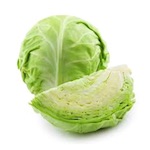 Cabbage |
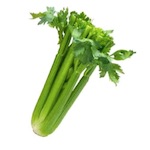 Celery |
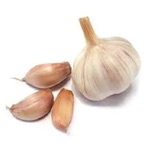 Garlic |
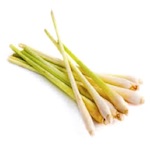 Lemongrass |
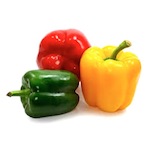 Capsicum |
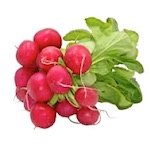 Radish |
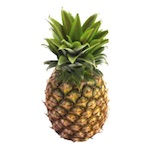 Pineapple |
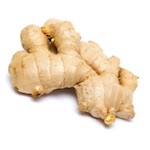 Ginger root |
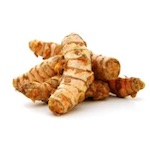 Turmeric |
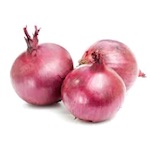 Onion |
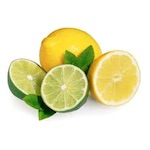 Lemon/Lime |
<
Another good remedy for a cold or flu is to take raw garlic. Garlic has very potent anti-bacterial and anti-viral properties. It is also effective to prevent recurrent infections, frequent yeast infections and other infections.
Finely chop or use the food blender to chop up two cloves of fresh garlic and let it expose to the air for a few minutes while you wash up your blender or chopping board. The chopping releases the enzyme alliinase in the garlic. Gather the chopped garlic in a spoon and swallow them whole with water.
Suggested Combos (measurement for one portion):
- 2-3 carrots + ¼ head of cabbage + 4 ribs of celery
- 3-4 radishes +¼ pineapple + 1-inch ginger root
- Lemon-ginger-honey tea
- Lemongrass-ginger tea
<
Some of the links I post on this site are affiliate links. If you go through them to make a purchase, I will earn a small commission (at no additional cost to you). However, note that I’m recommending these products because of their quality and that I have good experience using them, not because of the commission to be made.

Comments
Leave a Reply


 JOIN OVER
Hi Juicing-for-health,
Thank you for sharing your article. I’m just bothered, it is stated in your article that symptoms of cold starts 1 to 3 days after infection and it will usually disappear in 4 to 10 days, how about those colds that last for more than 1 month? What do you think my problem is?
Hi Jing, typically, in a generally healthy person, colds should last no more than 10 days. If they do, it is a sign that your immune system and resistant level is low. You will need to work on improving that by eliminating the harmful foods from your diet to allow your body to start healing. Then, begin to eat as “clean” as you can to strengthen your immune system. This website is all about how you can start your healing process through eliminating toxins and eating the right foods to healing. Happy Juicing! Sara.