
Lower Blood Pressure Safely And Naturally With Simple Diet And Lifestyle Modifications
Last updated on
There are safer and effective options for lowering blood pressure naturally. Knowing what to eat and what NOT to eat, is half the battle won!
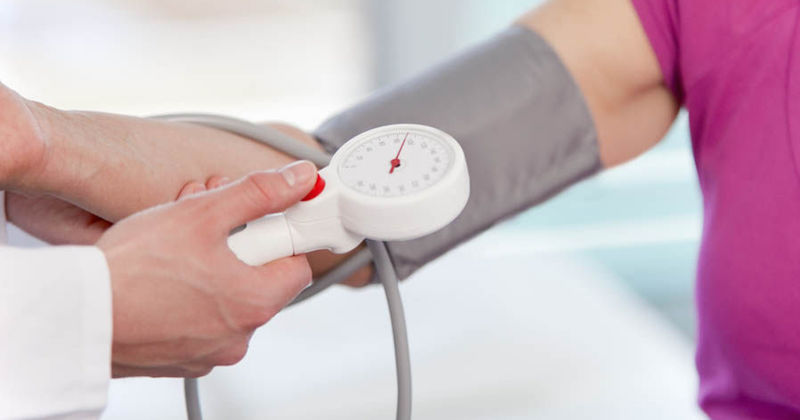
Understanding High Blood Pressure
High blood pressure (hypertension) is a warning of more serious cardiovascular problems. Conventional medicine usually suggests weight loss and drugs to lower high blood pressure and cholesterol, but little attention is given to change dietary habits—the safe and natural way to really lower high blood pressure.
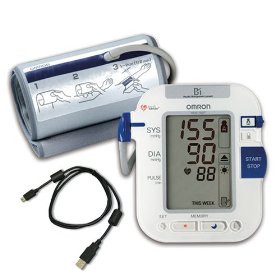 Our heart is primarily a muscle which main job is to pump blood throughout the body. Each time it beats/pumps, it sends blood through the arteries. The peak reading of the pressure exerted by this contraction is called the systolic pressure.
Between beats, the heart muscle relaxes and the blood pressure drops. This lower reading is called the diastolic pressure. A normal blood pressure reading for adults should be about 120 (systolic) / 80 (diastolic). Readings above this level becomes a risk factor for heart diseases.
Uncontrolled high blood pressure increases the risks of aneurysm, heart failure, heart attack, kidney damage and stroke.
Symptoms of High Blood Pressure
Initially, mild or moderate hypertension may not give away any clue nor symptoms of the problem until a vital organ is damaged. When this happens, blood pressure would have got to a severe stage (reading of 160+/115+).
Individuals with high blood pressure may begin to encounter either restlessness or drowsiness, fatigue, anxiety, palpitations, excessive perspiration, tremor, shortness of breath, headache, nausea and may sometimes be in a state of confusion.
In individuals with severely high blood pressure, the brain may swell, resulting in worsening and severe headache, nausea, vomiting and even coma.
Causes of High Blood Pressure
The main factors responsible for high blood pressure are the formation of arterial deposits in arteries (atherosclerosis), the thickening of blood or presence of blood clots, and the hardening of arteries (arteriosclerosis).
When the space in an artery is narrower, the same amount of blood passing through them increases the blood pressure, causing high blood pressure.
Aging, dehydration, poor choices of foods and unhealthy lifestyles like smoking, alcohol abuse, stress, a sedentary lifestyle are all contributing factors to any of the three main factors mentioned above.
Kidneys are important organs in controlling blood pressure. Many kidney disorders can also cause high blood pressure. For example, damage to the kidneys may fail to remove salt and water from the body, causing blood pressure to increase.
Diet/Lifestyle Suggestions
A healthy change in dietary and lifestyle plays a major role in lowering blood pressure naturally. Please also read suggestions in atherosclerosis. Here are some suggestions which you can immediately adapt to a healthier new you:
In overweight people with high blood pressure, even by losing as little as 10 pounds can help lower blood pressure. Incorporate moderate and regular aerobic exercise to help reduce blood pressure and improve the heart function.
A diet high in sodium and lacking in calcium, magnesium and potassium can increase blood pressure. To counter this situation, it is recommended to reduce intake of refined salt (sodium chloride) and increase on the other essential minerals. However, this step may or may not reduce blood pressure as not everyone’s blood pressure is salt-sensitive. Test it yourself to know.
Fruits and vegetables are some of the best foods that will provide you proper hydration of your cells, rich with the essential nutrients, antioxidants, phytonutrients and fiber that are anti-hypertension. Fruits and vegetables can have an amazing effect in lowering blood pressure.
This website gives you all the information you need to get you started on a juicing lifestyle when you decide that you want to start cleaning up your system. Freshly extracted juices are able to cleanse, repair, heal and nourish your body at cellular level to reverse hypertension..
Avoid anything that can cause blood pressure to increase even temporarily, like alcohol, caffeine, smoking and stress. It is during these brief moments when blood pressure increases that are thought to cause damage which eventually results in permanent high blood pressure.
Increase your intake of healing foods: Plenty of oily fish, omega-3 fish oils, chlorophyll-rich greens, mushrooms, bilberry, huckleberry, oat and rice bran, bananas, spirulina, chlorella and vitamin E (anti-coagulant). Don’t underestimate this list of foods as they are really very helpful to bring down your blood pressure, naturally.
Recommended Healing Foods to Lower Blood Pressure Naturally
There are many fruits and vegetables that are important and effective in lowering blood pressure naturally (also see recommended recipes in the atherosclerosis page). Below are a mention of just a few. Eat/juice plenty fruits and vegetables, especially green vegetables. You can’t go wrong.
 Carrot |
 Apple |
 Celery |
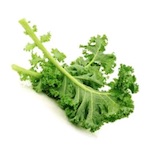 Kale |
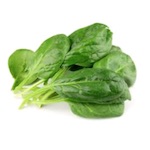 Spinach |
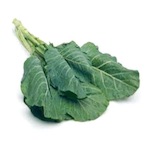 Collard greens |
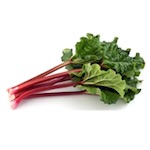 Rhubarb |
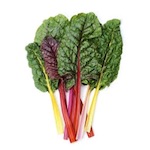 Swiss chard |
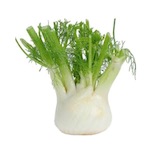 Fennel |
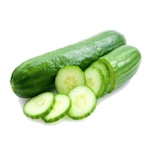 Cucumber |
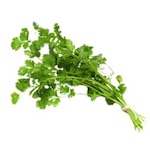 Cilantro |
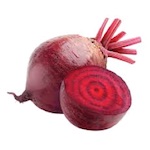 Beetroot |
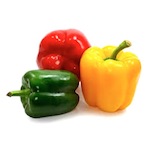 Capsicum |
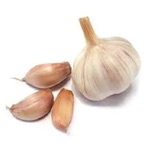 Garlic |
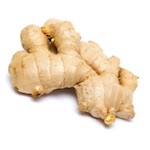 Ginger root |
 Lemon/lime |
Carrot has high antioxidant values. Drink carrot juice with chlorophyll in all green vegetables for their remarkable ability in cleaning out blood impurities. Sodium chloride (refined salt) increases blood pressure but the natural sodium in celery does not the opposite by decreasing blood pressure. Drink celery juice alone or mix it with other green vegetables. Beetroot juice is helpful for lowering and normalizing blood pressure.
Capsicum is very high in vitamin C, a form of antioxidant. Include one capsicum a day in your juice recipe. Garlic, cilantro and leeks are not very palatable foods but have anti-coagulant virtues which also help to lower blood pressure. Add small amounts of them (1 clove garlic or 3 inches leeks) into your juices with some lemon to blunt the taste, or simply add them in all your cooking.
Some Suggested Combos (Measurements Are For One Portion):
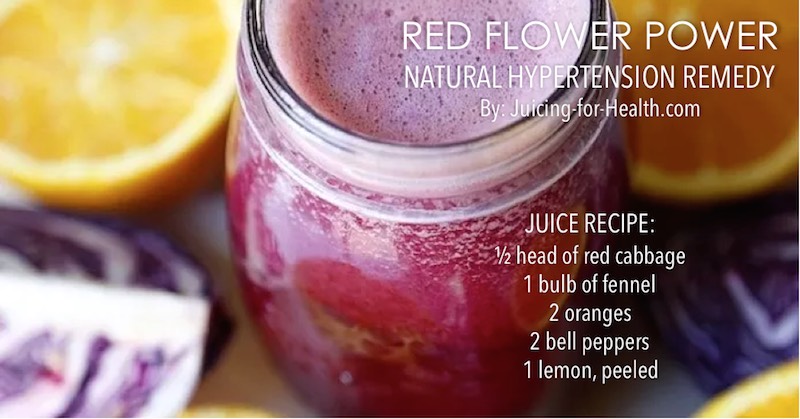
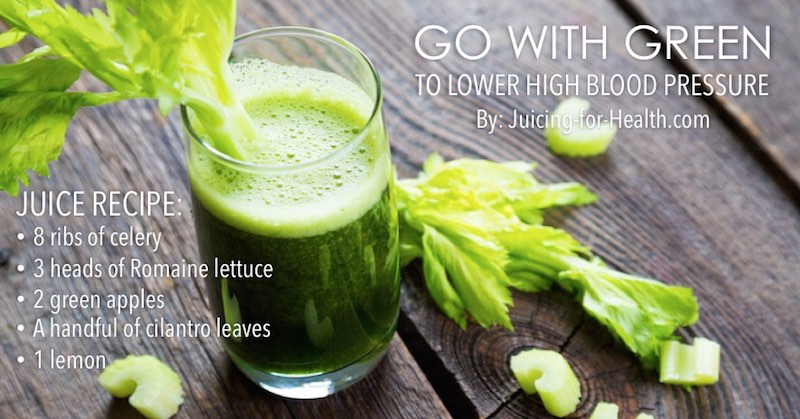
- 2 green apples + 6-8 ribs of celery + 1 cucumber + ½ lemon + 1 thumb-sized ginger
- 2 green apples + 1 bunch of spinach (or 6-8 leaves of kale) + a bunch of cilantro +½ lemon
- 2 carrots + 1 medium-sized beetroot + 1 fennel +½ slice lemon + 1 thumb-size ginger
- 2 green apples + 8 leaves of Collard greens (or Swiss chard) + 1 cucumber + ½ lemon
- 2 green apples + 6 ribs of celery + 1 fennel + a bunch of cilantro +½ lemon
Learn how to make great-tasting green juices.
Some of the links I post on this site are affiliate links. If you go through them to make a purchase, I will earn a small commission (at no additional cost to you). However, note that I’m recommending these products because of their quality and that I have good experience using them, not because of the commission to be made.


 JOIN OVER
Comments