
One Of Insomnia Symptoms Is Weight Gain. Here's How To Fall Asleep Again
Last updated on
One of the chronic insomnia symptoms is weight gain as it hinders the production of growth hormones that burn fats.
Understanding Insomnia
Insomnia is a very common sleep disorder that affects everybody at one time or another in their life. If you have a chronic problem with getting to sleep, you may want to get evaluated by a sleep disorders specialist.
But, if you are troubled by a short period of sleepless nights, probably undergoing stress, then proper nutrition may help you get that good night’s sleep.

As sleep patterns change, older people may awaken more during their sleep. This is normal and may not necessarily be insomnia. Deep sleep produces growth hormone which lessen as we age.
On the other hand, babies who consistently wake up in the night for no apparent reason may be suffering from “cow’s milk insomnia”, that is if they are feeding on formula milk.
A study showed that some substances in milk may stimulate the infants’ nervous systems, keeping their brains alert, or trigger an allergic reaction that makes them restless.
If you suspect your child might have this insomnia, put him/her on a diet free of cow’s milk and see if it made any difference. Goat’s milk is a good alternative.
Insomnia Symptoms
A lack of proper sleep has been associated with weight gain as it hinders the secretion of growth hormones that are necessary to burn fats and build lean muscle mass of the youth.
Insomnia promotes irritability, fatigue during waking hours, problems with concentration, memory, lacking zest and energy.
Lack of sleep has been known to accelerate health deterioration in more ways than we can imagine. If you are going through prolonged periods of sleepless nights, seek help immediately to stop your body wasting away.
Causes of Insomnia
There are many causes of insomnia and each night that you cannot sleep may be of different reasons.
Common causes are stress, worry, anxiety, menopause, depression, grief, overwork, sleeping at inappropriate times, jet lag, stimulants, drugs, alcohol, nicotine, toxicity of the blood, or simply poor nutrition. Those who are on long-term medications may also suffer from vivid dreams.
Diet/Lifestyle Suggestions
In dealing with insomnia, try to identify the causes of your problem and eliminate it or reduce it where possible.
- Avoid foods that contain tyramine which stimulates the brain—foods like bacon, cheese, chocolate, eggplant, sugar, potatoes, sausages, tomatoes. Eat these foods earlier in the day, if you must.
- Some swear that warm milk before bedtime promotes sleep, but this is not true for all. Some people become more alert, but listen to your body and see what works for or against you.
- Eat a larger lunch if you must, rather than stuffing yourself with an eight-course dinner late in the evening, something that people in my country are very fond of doing.
- Avoid stimulants like caffeine, nicotine or alcohol.
- Regular exercise can help improve sleep quality if not done too close to bedtime.
- Improve on your dietary intake by taking more fruits and vegetables, especially those with high contents of the B vitamins.
- Calcium and magnesium have a tranquilizing effect that may help. These can be found in avocado, seeds, nuts, root and many green leafy vegetables.
- Increase intake of foods with complex carbohydrates and natural sugars that give you that extra help. Foods like legumes, brown rice and honey all help serotonin production that calms the mind.
Recommended Healing Foods to Promote Quality Sleep
The starch and complex carbohydrates in carrot help serotonin production that promotes sleep. Other foods that contain serotonin are apricot, avocado, banana, beetroot, celery, red plums, tomatoes and pineapples.
The phytoestrogen in watercress helps the production of growth hormones that are lacking in people suffering from insomnia.
 Carrot Carrot |
 Green apple |
 Celery |
 Cucumber |
 Fennel |
 Spinach |
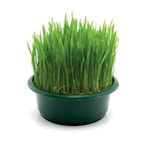 Wheatgrass |
 Lettuce Lettuce |
 Beansprouts |
 Watercress |
Fennel |
 Cilantro Cilantro |
 Pineapple Pineapple |
 Banana |
 Avocado Avocado |
Bean sprouts or alfalfa sprouts are good sources of the B vitamins that are necessary for insomnia sufferers. They can be eaten raw in salads or juiced (using a masticating juicer). Lettuce contains natural opiates which have a mild sedative effect and is calming to the nerves and muscles.
Some Suggested Combos (measurement for one portion):

Drink a juice that is rich in magnesium to make falling asleep easier.
- 2 carrots + 2 green apples + a bunch of watercress (bitter taste) + ¼ lemon
- 2 green apples +6 ribs of celery + 3 heads of lettuce + ¼ lemon
- 1 fennel + 2 medium-sized beetroot + ¼ lemon slice
- 2 green apples + ½ small pineapple + a bunch of watercress (or spinach) + ¼ lemon
- 500 grams of beansprouts + ¼ lemon + a thumb-sized ginger root
Learn to make great tasting green juices.
Reference:
https://www.ncbi.nlm.nih.gov/pmc/articles/PMC2656292/
Some of the links I post on this site are affiliate links. If you go through them to make a purchase, I will earn a small commission (at no additional cost to you). However, note that I’m recommending these products because of their quality and that I have good experience using them, not because of the commission to be made.


 JOIN OVER
Comments