
ONLY ONE Powerful Shot Of Wheatgrass Juice A Day To Kill Candida Infection, Alkalize Your Body, STOP Bad Breath
Last updated on
Wheatgrass is quickly gaining popularity as researches are revealing more and more health benefits that one can obtain from fresh wheatgrass juice.
Wheatgrass juice is often called the “Liquid Sunshine” because of its very high content of chlorophyll. And chlorophyll is the green pigment that harnesses the sun’s energy.
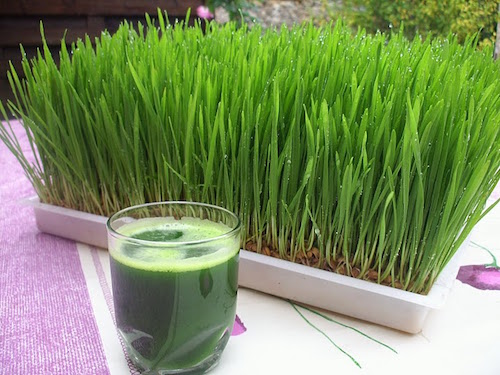
Wheatgrass is the young grass of the wheat plant and is harvested early when its nutrients and minerals contents are at its peak.
For convenience, wheatgrass are now made into powder form and are being sold commercially.
Barley grass is also being marketed commercially as a superfood, but between the two, wheatgrass is reported to contain a much higher level of vitamin E, selenium, phosphorus, manganese, chlorophyll, etc.
Nutritional Benefits of Wheatgrass Juice
The most outstanding feature of the wheatgrass is its very high content of chlorophyll at about 70%. This alone makes it a superfood that has a highly energizing and alkalizing effect.
Wheatgrass is a complete food and an excellent source of vitamin C, E, K and B complex (including B12). In the minerals department, it is rich in calcium, cobalt, germanium, iron, magnesium, phosphorus, potassium, protein, sodium, sulphur, and zinc.
This miracle grass also has a long list of amino acids—about 17 types of them and about 80 known enzymes.
Read more about chlorophyll and the amazing similarity between the molecule structures of both chlorophyll and the human blood (hemoglobin).
Health Benefits of Wheatgrass Juice
The best way to enjoy all the health benefits of this liquid sunshine is in the form of its fresh juice. One or two ounces a day is enough to provide you the energy to last the day, beats coffee anytime !!
Acidosis: Its alkaline minerals are essential for cleaning out the tissues and maintaining the alkalinity of the blood, making it effective in combating acidosis.
Alzheimer’s Disease, prevention: This is one of the very few juices that can actually remove heavy metals from the system. Regular consumption will greatly help to prevent Alzheimer’s disease and any other mental problems.
Anemia: The high grade content of iron in wheatgrass juice makes it a great blood builder, increasing red blood cells count. It regenerates and reactivates the red blood cells and supplies fresh oxygen to the body.
Anti-inflammatory: The high alkalinity properties makes it the perfect choice of food for people suffering inflammatory ailments, like osteoarthritis and rheumatoid arthritis.
Antioxidant: The high antioxidant content helps neutralize free radicals and oxidation that find their way in the body. It helps reduce the harm caused by air pollutants like carbon monoxide or cigarette smoke.
Athletes foot: The anti-bacterial effect of wheatgrass juice helps to relieve the itchiness caused by athletes foot. Soak your feet in a small bucket with distilled water pre-mixed with two ounces of the juice.
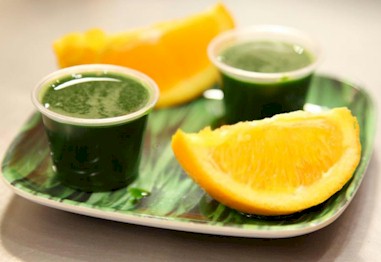 Bad breath (halitosis) and body odor: The ability of this green juice to detoxify the lymphatic system and gastro-intestines, makes it a wonderful help in reducing or eliminating bad breath and body odor.
Body building: Wheatgrass juice contains a long list of amino acids that are the building blocks of protein. It is reported to contain almost 50% protein (almost three times more than that of beef). So, forget protein powder, instead, incorporate this miracle juice into your daily routine.
Cancer: The fine chlorophyll and beta-carotene obtained from wheatgrass juice is beneficial in fighting and preventing cancer. A variety of flavonoid compounds found in this grass are powerful anti-oxidants and anti-cancer agents. Studies have indicated at least a 40% risk reduction in cancer development.
Candidiasis: The anti-bacteria effect of wheatgrass creates an unfavorable environment for yeast and bacteria. Regular consumption of this juice will help to prevent further yeast and bacterial growth.
Detoxify: Consuming this wonder juice regularly for detoxifying of the lymphatic system. It also helps eliminate encrustrations and faecal matter in the intestines and colon for a healthier gastro-intestines.
Diabetes: The ability to regulate blood sugar level makes this green juice a suitable drink for diabetics.
High blood pressure: The proteinous compounds in the high quality chlorophyll from wheatgrass has been found to be beneficial in lowering high blood pressure.
Immune system: Drink 1-2 ounces of wheatgrass regularly to build your immune system.
Tooth decay: Gargle wheatgrass juice to prevent tooth decay, relieve toothache, treat bleeding gums and control pyorrhea (infection and loosening of tooth sockets).
Weight control: Because the nutrition in wheatgrass juice is so complete, it relieves your body of cravings, thus reducing the unnecessary need to overeat.
Wounds: Pour two ounces of wheatgrass juice into a small bucket of distilled water. Use this water to dab generously on wounds, itchiness and sores; and experience great relief with accelerated healing.
Need we say more why you should add wheatgrass juice to your juicing diet?
Consumption Tips
 Wheatgrass is very fibrous and is indigestible for the human stomach. Which is why you need to juice it to get to its goodness.
What does it taste like? Despite its 70% content of chlorophyll and it being a “grass”, wheatgrass juice doesn’t really taste like “grass” as what most would think.
How to juice wheatgrass? Your best bet will be using a masticating juicer.
I have tried using different juicers to extract the juice and found that when using the Green Power Kempo, the juice tastes nicely “greenish sweet”. It has a greenish taste yet it is sweet.
Wheatgrass juice is such a powerful cleanser that it may kick-start healing reactions almost immediately upon drinking.
When toxins are being flushed and transported for elimination, it may cause nausea. Start with only a one-ounce shot a day and slowly work up according to your tolerance level, up to two ounces drunk two or three times a day.
Wheatgrass can only be juiced using a gear juicer or a wheatgrass juicer.
Learn how to grow/sprout your own wheatgrass at home.
Cautionary Note
If you are allergic to wheat, start your wheatgrass juice regimen slowly, with one teaspoon a day. Even though wheatgrass juice does not contain gluten, it pays to be cautious. Discontinue if/when you face an allergic reaction.
Some of the links I post on this site are affiliate links. If you go through them to make a purchase, I will earn a small commission (at no additional cost to you). However, note that I’m recommending these products because of their quality and that I have good experience using them, not because of the commission to be made.

Comments
Leave a Reply


 JOIN OVER
Hello Sara
This article is very good. I just wondering if I can consult about my health.