
These Juice Recipes Work To Relieve Any Migraines Or Headaches!
Last updated on
Migraines or headaches are very often caused by dehydration, body toxicity, or certain nutrient deficiencies. Start hydrating, detoxing and nourishing with juices that are rich in a variety of nutrients to relieve migraines and headaches.

Types of Headaches
A common tension headache is a dull ache that affects the whole head.
Exertion headaches are usually short-lived, with pain in the back of the headache.
Pressurized headaches are those caused by infections, flu or common colds.
In cluster headaches, the pain is centered more on the face, specifically the eye, cheek and sinuses. It usually affects only one side of the head at a time. The pain can be so intense that sufferers have been known to resort to banging their heads against the wall. Most sufferers are men, unlike migraine that attacks mostly women.
Migraine is a persistent throbbing in the forehead or temples. The pain can be disabling, excruciating and may even incapacitate sufferers for hours or days on end.
Unfortunately, for most sufferers, these headaches cannot be terminated, only relieved. But sufferers are able to bring the condition under control by finding what works best for them.
Symptoms of Migraines And Headaches
During a cluster attack, blood pressure of the sufferer increases and the heart beats faster. Often, there is nasal congestion and tearing of the eye on the side where the pain is. A typical cycle may last 6-8 weeks, having between two and ten severe attacks a day, each one usually lasting from 30 minutes to two hours.
A typical migraine attack may be accompanied by impaired vision, intolerance of lights and noise, numbness and sometimes even nausea and vomiting. The attacks, if untreated, typically last from four to 72 hours, the frequency of which differs with each sufferer.
Some migraine sufferers encounter these ‘warnings’ well before the onset of an attack: intense burst of energy, cravings for sweet, constant thirst, drowsiness, irritability or depression. Some even see flashes of sparkling light and slow-spreading blind spots in their vision.
Causes of Migraines And Headaches
Tension headaches are often triggered by stress, loud noises, traffic jams or even after an intensive strenuous work-out. Fasting or detoxifying can also cause headaches as the body rids itself of stored toxins, which re-enter the bloodstream temporarily on their way to be eliminated from the body.
Allergies are largely responsible for most headaches, especially migraines. Common foods that are known to trigger headaches are artificial sweeteners (aspartame), birth control pills, caffeine (including chocolate), citrus fruits, salt, lactose, monosodium glutamate (MSG) and food additives.
Environmental factors such as chemical vapor (air freshener or perfume) and air pollution can also cause headaches in some people.
In children, a common trigger is lack of food, or long gaps between food. This can be easily remedied by giving the child food regularly in small quantities.
Headaches can also be a warning of more serious health conditions that would need immediate medical attention, like cerebral hemorrhage, stroke, and lead or mercury poisoning. Seek medical help if headaches persist.
Diet Suggestions to Relieve Migraines
One of the most effective methods I’ve found to relieve a headache is to drink one liter of pure water and lie down. Most of the time, a headache is the body’s way of signalling that it needs to be hydrated.
A diet high in complex carbohydrates and low in protein is recommended for headache sufferers. Avoid fried foods as fried fats contain aldehydes that triggers migraine. Prepare your foods by eating them raw, juiced, steamed or blanched/broiled.
Eliminate sugars, dairy products especially cheese, and nuts which all contain tyramine, another substance that triggers migraine. Cut down on alcohol, caffeine and tobacco. Drink plenty of water, fresh fruit and vegetable juices to rid the body of the toxins that are the main culprit of headaches.
Increase intake of foods that are rich in magnesium and calcium—two miracle minerals that help prevent and relieve headaches. Such foods include a variety of fruits and vegetables, brown rice, wheat bran, wheat germ and soy beans.
Recommended Healing Foods to Relieve Migraines And Headaches
Headaches/migraines are triggered by toxins or foreign articles in the body. When the body is properly detoxified, the pain will reduce. Carrot and green apples help to regulate bowel movements for a cleaner colon over time.
Drink plenty of green vegetable juices daily, as they are cleansing and healing to the system. Calcium and magnesium (from many green vegetables) are an essential combination that can help prevent and relieve headaches. If you are prone to attacks, add these into your daily diet, especially in the form of juices for best absorption:
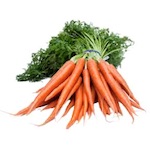 Carrot Carrot |
 Green apple |
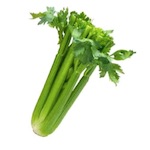 Celery |
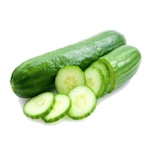 Cucumber |
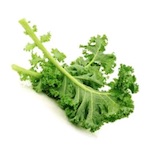 Kale |
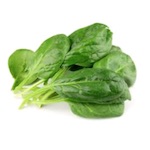 Spinach |
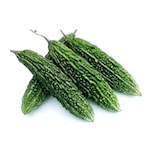 Bittergourd Bittergourd |
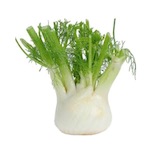 Fennel |
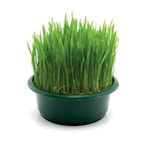 Wheatgrass |
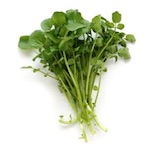 Watercress |
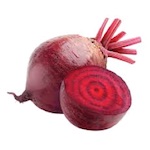 Beetroot |
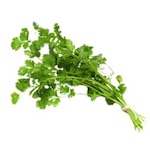 Cilantro |
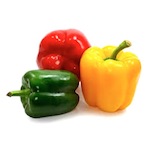 Green pepper |
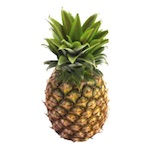 Pineapple Pineapple |
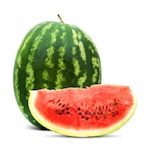 Watermelon |
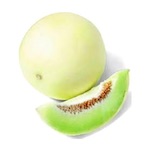 Honeymelon |
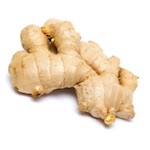 Ginger |
 Lemon/Lime |
As mentioned above, hydration is so important to reduce headaches. Drink juices from fruits and vegetables that are juicy with minerals, like celery, cucumber, bittergourd, watermelon and honeymelon. Pineapple made into the list as it’s one of the best anti-inflammatory foods and helps to reduce migraine/headache considerably.
Bittergourd, beetroot, watercress, wheatgrass and lemon are all detoxifying foods that will help reduce the toxins level in your body when drunk regularly. Detoxifying foods also mean that they are very potent, so consume them in moderation.
Some Suggested Combos (measurement for one portion):
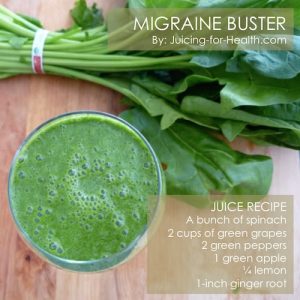 |
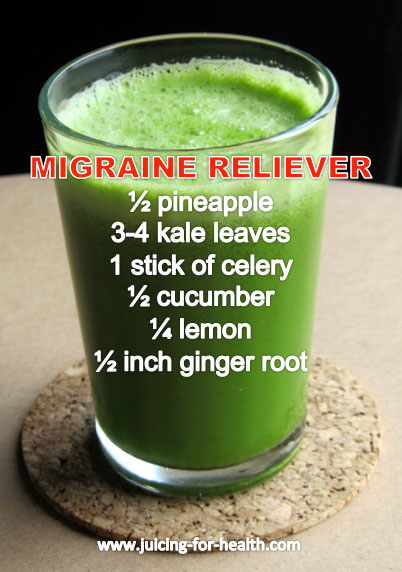 |
- 2 green apples + 6 ribs celery + 8-10 leaves of kale +¼ lemon + a thumb-sized ginger root
- 2 green apples + 1 cucumber + 1 bunch of spinach + ¼ lemon
- 2 carrots + 2 green apples + 1 fennel + a bunch of watercress + ¼ lemon
- 2 medium-sized beetroot + 1 cucumber + ½ lemon
- 2 green apples + 2 ribs celery + 1 bitter gourd (about 6 inches) + ¼ lemon
- 1 cucumber + 1 fennel + 6-8 kale leaves + ½ pineapple + ¼ lemon
- ¼ medium-sized watermelon or ½ honeymelon + ¼ lemon slice + a thumb-size ginger
- 1 oz wheatgrass juice with a squeeze of lemon
Learn to make great tasting green juices.
Some of the links I post on this site are affiliate links. If you go through them to make a purchase, I will earn a small commission (at no additional cost to you). However, note that I’m recommending these products because of their quality and that I have good experience using them, not because of the commission to be made.

Comments
Leave a Reply


 JOIN OVER
This is amazing! I had a headache today and I usually don’t get them. I tried this juice out because I’m really into juicing and with the first gulp I could already feel the difference.
That’s amazing fact and amazing new! Now I’ll never have the headaches thanks to you and juicers for greens do a great job. If you still didn’t start to help yourself by that way, it’s the right time!
Brilliantly written. I have actually tried a few on here and can safely say that they had a positive effect on the pain. The migraine didn’t go away completely, but I felt much better. Another thing that worked for me was grape juice. I think there is enough evidence to suggest that it works.
Hi Sana, I’m happy that the juice recipes worked for you. We agree too, that grape juice is mighty efficient for relieving headache. You may read more about it here: http://juicing-for-health.com/100-pure-homemade-grape-juice-for-instant-headache-relief.html
I have eye pressure symptoms of glaucoma.
What juice would you recommend kale, spinach, celery, beetroot, cucumber, sweet potato, raspberry?
Do you have receipe. Thanks