
Eating The Right Foods Will Help Stop Or Prevent Glaucoma Symptoms
Last updated on
Know what are glaucoma symptoms and prevent vision loss before it’s too late.

Understanding Glaucoma
Glaucoma is optic nerve damage, often associated with increased eye pressure within the eye (intraocular). Glaucoma occurs when an imbalance in production and drainage of fluid in the eye (aqueous humor) increases eye pressure to an unhealthy level.
Glaucoma is the third leading cause of blindness worldwide. There are generally two forms of glaucoma:
The “open-angle” form affects 90% of glaucoma sufferers. The drainage canals in the eyes become clogged gradually over time. The pressure in the eye rises slowly because fluid is produced at a normal rate but drains sluggishly.
The “angle-closure” form is far less common. The drainage canals in the eyes suddenly become blocked and increase the eye pressure abruptly. If untreated, the sufferer may lose his/her vision in matter of a few days.
Symptoms of Glaucoma
Open-angle glaucoma is painless and causes no early symptoms. When symptoms do set in, peripheral (side) vision is usually lost first but is not noticeable until much of it is lost. During this time, sufferers develop a tunnel vision, where they can see straight ahead perfectly well but are blind in all other directions (much like when you look through a long tube).
Other symptoms are the development of blind spots, or loss of vision in patches. When left untreated, sufferer eventually becomes blind.
In angle-closure glaucoma, eye pressure rises rapidly. Sufferers will notice an abrupt onset of severe eye pain, redness, blurred vision, rainbow-colored halos around lights, headache and even sudden loss of vision. These may also be accompanied by nausea and vomiting as a result of the increased eye pressure.
Angle-closure glaucoma is an emergency case as sufferers have been known to lose their vision within two to three hours from the onset of symptoms.
Causes of Glaucoma
One of the causes of glaucoma is due to our liver and kidneys that are congested from years of reckless and poor eating. “Contaminated” blood is loaded with toxins (from man-made processed foods and drugs) and has become sluggish. The thickened acidic blood causes bad circulation, reducing oxygen and nutrients supply to the eye cells, thus creating eye problems.
Research may show that glaucoma runs in the family, but this is because the family has the same poor eating habits and lifestyles. People who are very near-sighted or far-sighted, who have had previous eye surgery, and are diabetic may also tend to have a higher risk for glaucoma, all for the same reason that their liver and kidneys are congested.
Other causes of glaucoma could be damage to the eye caused by infection, inflammation, tumor, advanced cataracts, or other eye surgeries.
Deficiencies in vitamins A, B1 (thiamine) and C, and other minerals are thought to promote damage to the optic nerve by the increasing eye pressure.
Diet/Lifestyle Suggestions To Prevent Glaucoma Symptoms
If you are in the high risk group, be aware of the symptoms so that you know when to get help before it is too late. Unfortunately, once vision is lost, it cannot be reversed. But if it is detected in time, proper nutrition and care can prevent further vision loss.
Being prone to glaucoma, do take all precautions to prevent or reduce the progression of eye pressure.
Immediately reduce eating fried/barbecued foods as these are very high in oxidants that cause eye damages. Other damaging food examples are: caffeine in coffee, chocolate and soft drinks; transfatty acids (cooking by heating in high temperature oil); a diet too high in protein (e.g. red meats, organ meats and egg yolk) and table sugar.
Increase intake of healing foods that are high in vitamins A, B, C and E, beta-carotene and especially anti-oxidants. Other foods to take: oily fish, fish oils, nuts, bilberries, goji berries and sweet potatoes. These foods all help to improve circulation, prevent infection and will prevent damages created by oxidation in the eyes.
Recommended Healing Foods to Prevent Glaucoma
Eat/juice plenty of fruits and vegetables that have high content of antioxidants for their phytonutrients that protect your eyes against cells degeneration.
Vegetables are some of the richest source of the finest and highest quality pro-vitamin A, lutein and zeaxanthin that are essential and effective for maintaining the quality and health of eyesight. In order to fully absorb the oil-soluble compounds, add a little fats (coconut oil, olive oil or flaxseed oil) into your green juices. Grapeseed oil is the better choice for cooking.
Vitamin A when taken too much in supplements form can be toxic. But when ingested in the form of beta-carotene (pro-vitamin A) through these vegetables, the effect may be amazingly beneficial.
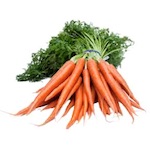 Carrot Carrot |
 Apple Apple |
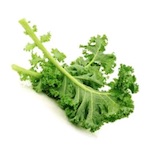 Kale Kale |
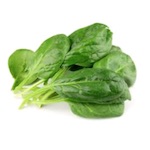 Spinach Spinach |
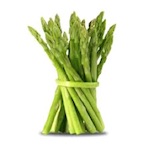 Asparagus |
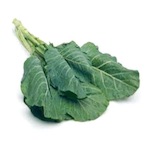 Collard greens |
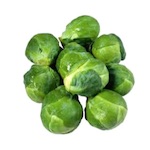 Brussels sprouts |
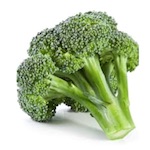 Broccoli |
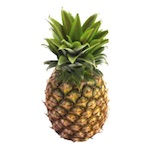 Pineapple |
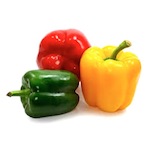 Capsicum |
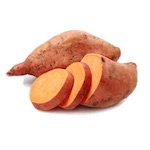 Sweet potato |
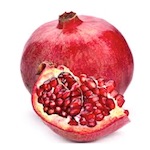 Pomegranate |
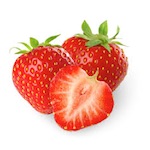 Strawberries |
 Raspberries |
 Blueberries |
 Tomato |
Some Suggested Combos (measurement for one portion):
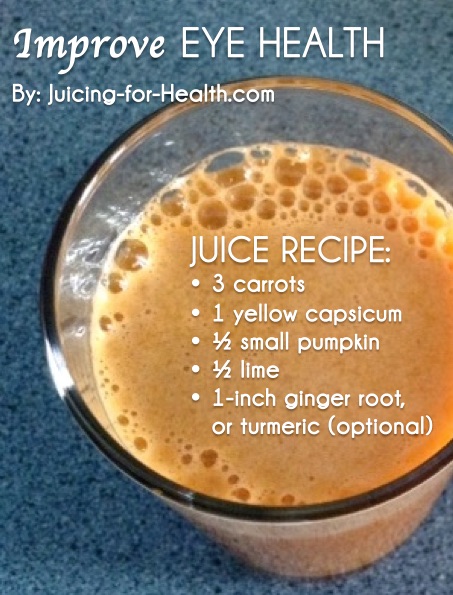
- 2 green apples + 2 red/yellow/orange capsicum + 8-10 stalks of asparagus + a slice of lemon
- 2 green apples + a bunch of spinach + 3-4 leaves of kale + ¼ pineapple + a slice of lemon + 1-inch ginger root
- 5 carrots + 2 green apples
- 2 carrots + 1 medium-sized sweet potato + 6-8 stalks of asparagus + a cup of broccoli florets + a slice of lemon
- 1 carrot + 1 orange + 1 green apple + 1 tomato
- 1 pomegranate + a cup of strawberries + a cup of raspberries + a cup of blueberries
Learn how to make tasty green juices.
Some of the links I post on this site are affiliate links. If you go through them to make a purchase, I will earn a small commission (at no additional cost to you). However, note that I’m recommending these products because of their quality and that I have good experience using them, not because of the commission to be made.

Comments
Leave a Reply


 JOIN OVER
Thank you for sharing such useful information. All these foods are the rich sources of vitamins like Vitamin C, Vitamin E, Vitamin A and Zinc. So, initial stage glaucoma can also be cured with the help of right foods as shared over here.
Hi Sara,
My mother has been diagnosed with poor eye health, with nerves slowly damaging. to lessen the worsening of the situation, please suggest a diet or atleat the juice combination that she should have in her regular diet. (Doctors say there could be risk of Gluecoma too)
are these recipes to lower glaucoma numbers