
What Flatulence Really Means for Your Health (And 6 Juices to Stop It)
Last updated on
Excessive flatulence can be a social embarrassment. It is a sign of an imbalanced intestinal flora, and can be easily remedied by eating the right food.
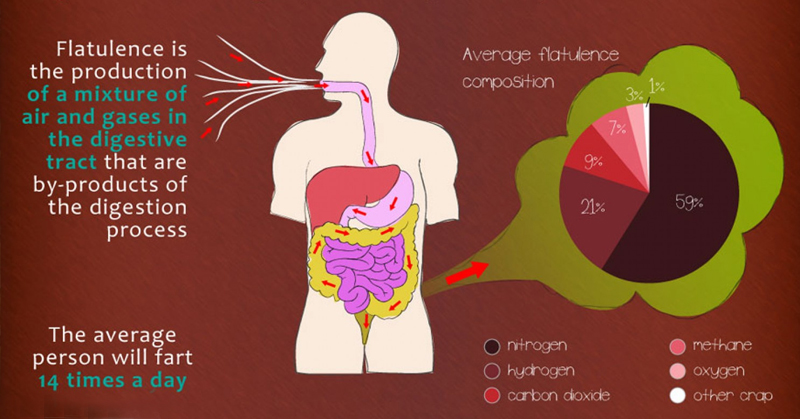
Understanding Flatulence/Gas
If you have excessive flatulence, it is time to sit up and start watching what is it that you are eating that is causing excessive flatulence.
Passing of wind/gas is a very natural thing, but excessive flatulence is quite another thing.
A study says that a normal healthy person passes wind at an average of 14 times a day, but I disagree with that. Once you balanced your intestinal flora and keep your digestive system healthy, there should be very few (only a handful) to no flatulence occurrence at all.
While it is normal for one to pass wind/gas, too much gas can cause abdominal discomfort and can be a social embarrassment. The best way to control flatulence is to watch what you eat.
After eating flatulence-causing foods, the gas will be expelled between five and seven hours. So, to check what you could have eaten that might have caused excessive flatulence, work back that number of hours.
Symptoms of Flatulence/Gas
Excessive intestinal gas may cause abdominal discomfort, bloating, distension, and belching. In infants, excessive gas (colic) is usually accompanied by abdominal pain.
It is not uncommon for patients with eating disorders (anorexia nervosa, bulimia) to be particularly stressed by these symptoms.
Causes of Flatulence/Gas
One of the main reasons why flatulence and putrefaction happen is because of an imbalanced intestinal flora. The colon’s friendly bacteria have been depleted from years of eating meat, milk and dairy products (except yogurt), processed foods, or bad eating habits. Taking a course of antibiotics and medications can also cause the same situation.
Excessive flatulence, constipation, diarrhea and other digestive problems can develop due to lack of good bacteria in the guts. Lactose intolerance and allergic reactions to milk also increase gas output by about eight times.
Another notorious gas producer are beans that contain a compound called oligosaccharide. Eating beans like dried beans or baked beans, soya beans, peas, legumes, etc. will increase the amount of gas by more than ten times.
Carbohydrates from starchy foods like wheat, oats, potatoes and pasta are also gaseous, though not as much as the others mentioned above. If unaccustomed to a high-fiber diet, you may also experience gas, stomach cramps and other intestinal discomforts. Introduce fiber to your diet in small amounts and gradually increase, when you are switching to a healthier diet.
Other foods that cause gas: cruciferous vegetables (those in the cabbage family like broccoli, cabbage and cauliflower), onions, turnips. Some people get bloating just from drinking fresh juices. Fresh juices can create some intestinal flora activity in the digestive tract that cause bloating.
Diet/Lifestyle Suggestions to Prevent Excessive Flatulence
Refraining from milk and dairy products (except yoghurt), and “gas-causing foods” should be one of the first steps to take when flatulence begins to be a nuisance.
Add a little anti-gas foods like ginger, garlic or spices, when you cook your pot of beans or gaseous vegetables.
If baby is colicky, the lactating mother should also avoid the gas-causing food as mentioned above. Breast-feeding mothers should get extra calcium from dark leafy vegetables like kale, algae (spirulina and chlorella), sardines, salmon.
How you eat or don’t eat is another contributing factor to a gassy gut. If you tend to skip meals, you may encounter a bloated feeling, because of the air-pockets forming in your intestines. If you can, eat small amounts even if you don’t feel like eating.
Avoid gassy and carbonated drinks. Do not use a straw when you drink as it would cause you to take in more air. Habits like chewing a gum will also cause excessive gas.
Finally, the often overlooked cause of flatulence is an imbalanced gut flora in the colon.
Most people see an almost immediate result by doing a simple gastrointestinal cleanse and taking high quality probiotics.
Recommended Healing Foods to Ease Excessive Flatulence
 Carrot Carrot |
 Green apple |
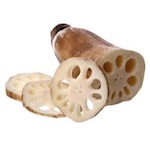 Lotusroot |
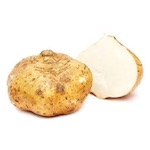 Jicama |
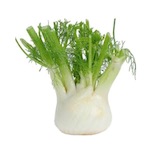 Fennel |
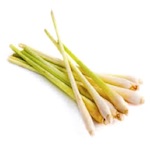 Lemongrass |
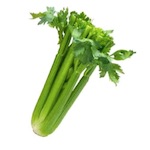 Celery |
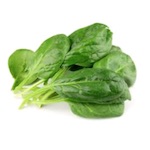 Spinach |
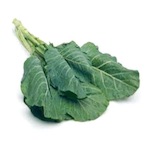 Collard greens |
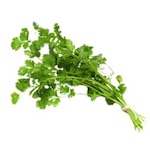 Cilantro |
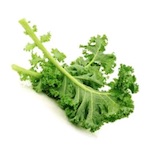 Kale |
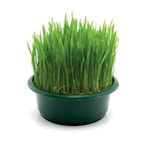 Wheatgrass |
 Pineapple |
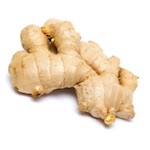 Ginger root |
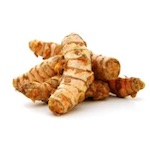 Turmeric |
Regularly drinking fresh green juices over time will gradually help to improve the gastrointestinal health. Make a simple juice of carrots, green apples and leafy vegetables and add a small amount of any one of these other foods each time: Ginger, turmeric, lemongrass, cilantro.
All of these foods have a very strong aroma and taste. A small amount is enough, so add a little at a time to your desired taste. The harmful bacteria cannot live with/in these foods, but the beneficial bacteria love them and quickly repopulate for a healthy digestive system.
Pineapple is a great inclusion in your juice recipe as it helps digest protein where most often undigested proteins are the culprit for causing flatulence.
Some Suggested Combos (measurement for one portion):


- 2 carrots + 6-inches section of lotusroot + 1 jicama
- ½ small pineapple + ½ medium-sized fennel + 2 ribs of celery + 1-inch ginger root
- 2 green apples + 6-8 ribs of celery + a bunch of spinach + ¼ lemon
- 2 green apples + 1 bulb of fennel + 6-8 leaves of kale or collard greens + ¼ lemon + 1-inch ginger root
- 1 bulb of fennel + 3 bulbs of lemongrass + 6 ribs of celery + ¼ lemon
- 1 green apple + 3oz of wheatgrass juice + squeeze of lemon or lime
Learn how to make tasty green juices.
Some of the links I post on this site are affiliate links. If you go through them to make a purchase, I will earn a small commission (at no additional cost to you). However, note that I’m recommending these products because of their quality and that I have good experience using them, not because of the commission to be made.

Comments
Leave a Reply


 JOIN OVER
How is it possible that you finish the article with “…where undigested proteins are the main culprit for causing flatulence”
When you never spoke of it at all in the 1000 words previous?
Thank you so much!
I am going to try this to reduce flatulence and bloating!