
Avoid Juice Poisoning With Kids
Last updated on
Most juice poisoning can be avoided, if we took preventive measures to minimize the risks.
Always Help To Take Extra Precaution
As loving parents, we want to give the best to our children, yet at times there are certain things which are beyond our control, like food poisoning. But we can be informed, and take preventive measures to minimize the risks.
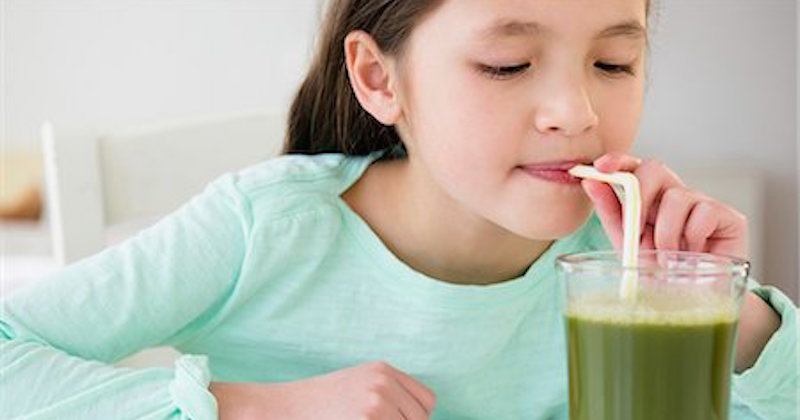
Some plant produce that can possibly (but not necessarily) cause allergy are cherries, citrus fruits, kiwis, papaya, peaches, pineapples, strawberries, tomatoes and wheatgrass. It’s not that these fruits/vegetable are harmful, but that they are rather potent and high in anti-oxidant and may cause a certain reaction for your child.
If your child has a history of food allergy of any kind of foods, just be particularly careful to avoid or test with these fruits when juicing for him.
Some of the symptoms of food allergy are itchy skin, swelling tongue and lips, sneezing, blocked and runny nose, cough and short of breath. There is a difference between being allergic to a food or being food intolerant.
Symptoms of food intolerance are often delayed and will manifest hours or even days later. Most of the symptoms involve digestive problems like tummy pain, bloating, colic, wind, flatulence, and in more severe cases, diarrhea and vomiting.
If your child is prone to food intolerance, he probably has very low count of friendly bacteria in his digestive tract. Check with your child’s doctor about probiotics and vitamin C supplements suitable for your child.
Avoid Juice Poisoning With Kids
Here are a few preventive measures you can take to minimize food poisoning when preparing to juice for your child:
- Where possible, try to go for organic fruits/vegetables. They are best as they are also free from pesticides and chemicals. If organic produce are not easily available where you are, invest in a good gear juicer that can separate out the pesticides and chemicals from the juices.
- Ensure that the fruits you use for juicing for your child are ripe, not half ripe or nearly ripe or over-ripe, but just nicely ripe. Fruits that are just ripe are less allergenic compared to those that are not ripe. The most allergenic part of the fruit is usually the skin. Try to remove the skin and see if it made any difference.
- When washing non-organic fruits and vegetables, soak them in the water for about 15 minutes, with two tablespoons of apple cider vinegar and a teaspoon of salt. You can see that after soaking them, the water turns foul-smelling. This shows that much of the pesticides and chemicals had been removed. Rinse well before juicing.
- Ensure that your juice extractor is washed and brushed properly immediately after every use. Store it away dry to prevent bacteria proliferation.
More Related Articles On Juicing For Kids
Nutritional needs of growing children.
How to get fussy kids to drink juice.
Some of the links I post on this site are affiliate links. If you go through them to make a purchase, I will earn a small commission (at no additional cost to you). However, note that I’m recommending these products because of their quality and that I have good experience using them, not because of the commission to be made.


 JOIN OVER