
The Best Sources of Essential Fatty Acids (EFAs)
Last updated on
Fats are one of the 6 groups of essential nutrients required by the human body to live. Although most fats such as cholesterol can be made within the human body, there are two essential fatty acids, that your body cannot make and must be sourced from your diet.
This article will show you the best way to obtain the essential fatty acids, as well as the recommended daily dosages.
The Best Sources of Essential Fatty Acids
Black Currant Seed Oil
 Black currant seed oil, derived from black currant seeds is unusually high omega-3 and omega-6 fatty acids. Its gamma-linolenic acid (GLA) content is almost twice that of evening primrose oil, making it one of the best sources of essential fatty acids.
It is an excellent source of an omega-3 precursor, stearidonic acid. It also contains other fatty acids in smaller amounts.
Its balanced ratio of both essential fatty acids make it a wonder oil! Black currant oil is effective for treating anti-inflammatory conditions like rheumatoid arthritis and gout. It boosts the immune system, helps regulate female menstruation cycles, alleviates symptoms of menopause and heals skin disorders.
Borage Seed Oil
Borage seed oil derives from a “blue-star” flower called borago officinalis, native to the Mediterranean. It is cultivated for its very high content of gamma-linolenic acid (GLA).
Besides its omega-6 fatty acids content, it is also rich in other fatty acids like palmitic acid, stearic acid, oleic acid, linoleic acid, eicosenoic acid and others.
 Like evening primrose oil (EPO), borage seed oil is commonly recommended for alleviating female hormonal problems like irregular menstruation and PMS.
It can help with heart and joint functions, inflammation, growth of nails and hair, auto-immune disorder, arthritis and eczema. Children who are hyperactive and have allergies may also benefit from taking omega-6 fatty acids.
Fish Oil Extracts
Fish oils derive from the tissue of oily fish like salmon, herring, tuna and mackerel. The fish don’t produce the oils themselves but accumulate them from consuming microalgae that produce these oils.
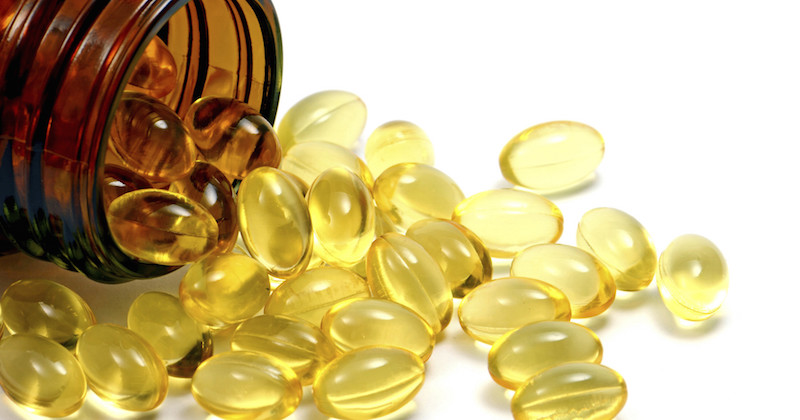
Fish oil extracts are often sold in capsules because they are unpalatable in liquid form. Note, however that the capsules are not suitable for young children’s consumption.
Salmon oil oil is rich in omega-3 EFA, and also eicosapentaenoic acid (EPA) and docosahexaenoic acid (DHA) – both important for neural development. Infants born to women with high levels of these oils have an advantage in terms of early development and advanced attention span.
The oil can help thin the blood, preventing clotting, regulate cholesterol production and strengthen cell walls, heightening protection against viral and bacterial invasion. They are also beneficial in relieving inflammatory problems like rheumatoid arthritis, osteo-arthritis and gout.
Cod-Liver oil is an excellent source of omega-3 EFAs as well as vitamins A and D. However, large amounts can be toxic so take no more than prescribed on the label. The taste of cod-liver oil may be unpalatable, but never use defatted cod-liver oil. Defatted also mean that its nutritive values have been removed.
Evening Primrose Oil (EPO)
 Evening primrose is the most reliable source of gamma-linolenic acid (GLA) and usually comes in 500 mg capsules.
EPO is widely recommended for women with irregular menstruation cycles, PMS problems or to prevent menopause hot flushes and mood swings.
EPO helps with the production of energy and is a structural component of the brain, bone marrow, muscles and cell membranes. It can also benefit people with multiple sclerosis, hyperactivity and obesity.
Flaxseed Oil
Also called linseed, flax is my favorite oil. It is the best source of omega-3 fatty acids, with smaller amounts of omega-6 fatty acids.
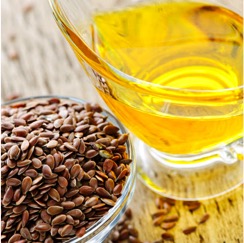 Flaxseed oil must be extracted in a dark room with low oxygen and bottled in black bottles to keep the light out.
Flax spoils when exposed to oxygen and light so keep in the refrigerator and consume within six weeks of opening.
It can be kept up to six months in the freezer but it will remain in its liquid form, never freezing. Flaxseed oil has a nice nutty taste and must not taste bitter. If it is bitter, it has turned rancid.
1-3 tablespoon of flaxseed oil may be taken daily to help maintain and lower cholesterol and triglyceride levels, reduce blood clots, eliminate diabetes complications, stop inflammation, relieve asthma, normalize hormones, improve brain function and memory and many more benefits.
Flaxseed oil is proven to be the only oil that cancer patients can take without side-effects. It can kill cancerous cells and reduce the growth of tumors.
Consumption Tips
- The oils mentioned above are some of the best sources of essential fatty acids and intended for direct oral consumption. They are very sensitive: heat and oxygen will cause the oils to turn rancid and become toxic, so never use them for cooking! Olive oil is a better alternative for light cooking (not for high heat), and coconut oil or avocado oil for high heat cooking. These oils are not mentioned above as they are not the best sources of essential fatty acids but suitable for cooking.
- Essential fatty acids contain antioxidants that are natural preservatives so can be kept for long periods of time. Once opened and exposed to oxygen, they start to deteriorate and should be used within a few weeks.
- The above sources of EFAs are expensive for a good reason: the extraction methods can be rather tedious. Shop smart, go for the known brands to ensure quality.
Some of the links I post on this site are affiliate links. If you go through them to make a purchase, I will earn a small commission (at no additional cost to you). However, note that I’m recommending these products because of their quality and that I have good experience using them, not because of the commission to be made.

Comments
Leave a Reply


 JOIN OVER
Hi
Thank you so much for this article on EFAs.
You mentioned that one should look out for the known brands in buying to ensure quality. Could you please help out with the brand names? I am African and eat a lot of palm kernel and groundnut oil over the years and have recently started juicing for my health and my family’s as well. I very much have need of these EFAs consumption.
Is it okay to be on more than one of these oils at the same time? Do they all come in both liquid and capsules?
Thank you.
Regards,
ToyinAlder